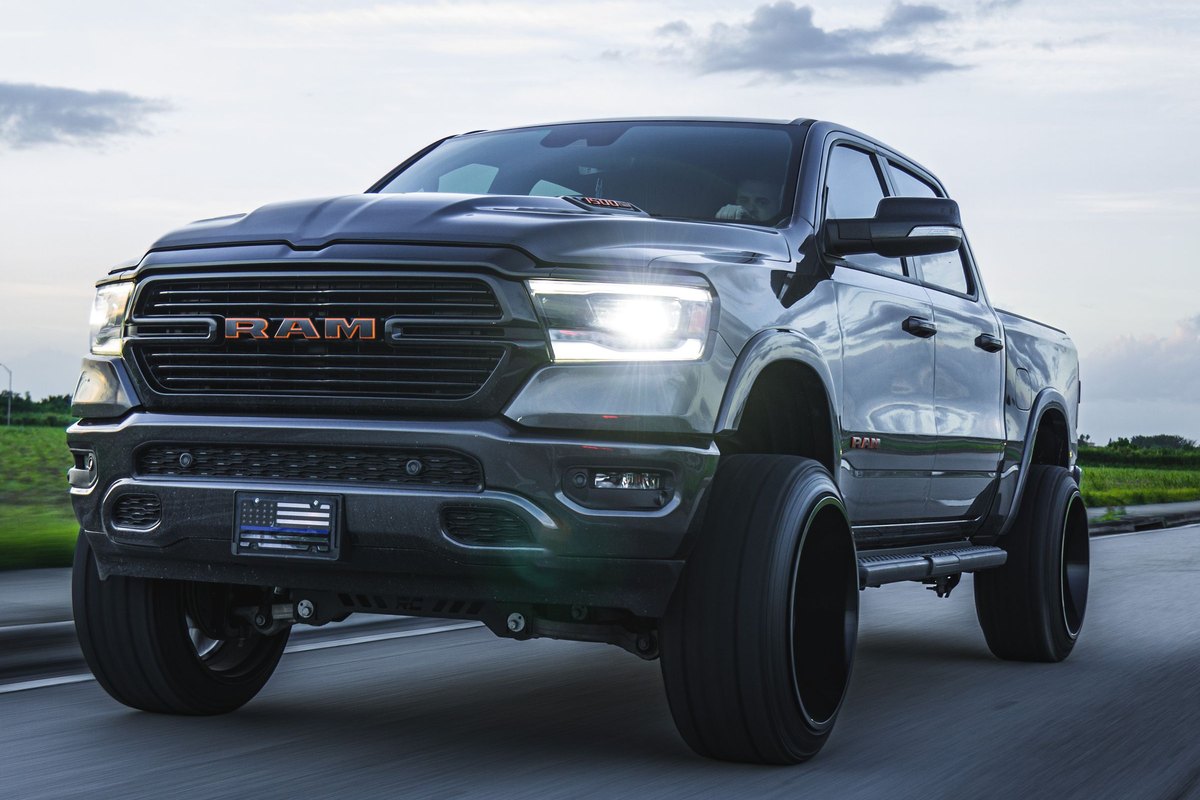
A Ram pickup on a highway at dusk. Photo by Eduardo Valdes via Pexels.
FCA US is recalling 16,385 model-year 2026 Ram 1500 pickups because their tire pressure sensors may fail to detect low pressure or fail to turn on the warning light. The campaign, NHTSA 26V623, means some of these trucks can lose air without telling the driver.
What the recall covers
The recall applies to 2026 Ram 1500 trucks built from July 1, 2025, through March 17, 2026, according to FCA’s safety recall report. FCA says the sensors may report a false tire pressure, so the trucks do not comply with Federal Motor Vehicle Safety Standard 138, which governs tire pressure monitoring systems.
Trucks built outside that window, or with tire and wheel assemblies from a different supplier, are not included. NHTSA’s consequence statement is direct: a warning light that fails to tell the driver about low pressure increases the risk of a crash.
The cause is in the wheel assembly
FCA’s report traces the problem to tire and wheel assembly. The company says the suspect period began on July 1, 2025, when a process change was made in tire and wheel assembly, and ended on March 17, 2026, when that process was updated. The company describes the replacement part as a tire pressure sensor “which was not damaged during the mounting of the tire on the rim.”
The report lists Sensata Technologies as the sensor’s manufacturer. FCA’s chronology says its safety office opened an investigation into inoperative systems on March 17 and decided on September 22 that a noncompliance existed. The report was filed September 29.
A light that may never come on
FCA says there is no warning before a failure, and that when one occurs the tire pressure telltale “may” illuminate. In other words, a damaged sensor may give no sign at all. That is the risk this recall addresses.
The federal standard requires the warning to come on once a tire falls significantly below the recommended cold pressure. We explained how that threshold works, and why it is not the correct pressure, in a cold morning can trip the tire pressure light without a leak.
Why a dark light matters now
Tire pressure falls as the weather cools, which NHTSA says is why warning lights come on during cold mornings. A working system would flag a tire that drifts below the threshold overnight. On a truck with a damaged sensor, the same tire can run underinflated with nothing on the dash.
NHTSA’s own guidance applies whether or not your truck is in the recall. The agency says tire pressure systems warn only when a tire is significantly underinflated, and that a monthly check with a gauge is still needed. Pressure should be checked cold, meaning the truck has not been driven for at least three hours, against the figure on the door label.
The fix and the dates
Dealers will inspect the sensors and replace them as necessary, free of charge, so a sensor that checks out may stay on the truck. FCA planned to notify dealers around October 6, and owner letters are expected to be mailed October 27. FCA’s number for this recall is 51D, and its customer service line is 1-800-853-1403.
NHTSA did not flag this campaign as a do-not-drive or park-outside recall. USA Today, which reported the recall on October 8, gave the same population and letter date.
Look up the VIN instead of waiting
VINs in this campaign became searchable on NHTSA’s recall site on October 6, three weeks ahead of the letters. That lag is routine, and we covered the reasons in why the recall letter arrives after the recall. Until the repair is done, a gauge in the glove box is the only reliable check on an affected truck.
Sources
- NHTSA, Part 573 Safety Recall Report 26V623 (PDF)
- NHTSA, Recall 26V623: 2026 Ram 1500 tire pressure monitor system may fail
- eCFR, 49 CFR 571.138, Standard No. 138: Tire pressure monitoring systems
- NHTSA, Tires
- USA Today, Over 16K Ram trucks recalled. See the affected models
This article was researched and drafted with the assistance of AI tools and reviewed, fact-checked and edited by Leonidas Clark before publication. Recall populations and dates can change; check your own VIN with NHTSA or a Ram dealer, and confirm pressures against your door sticker.