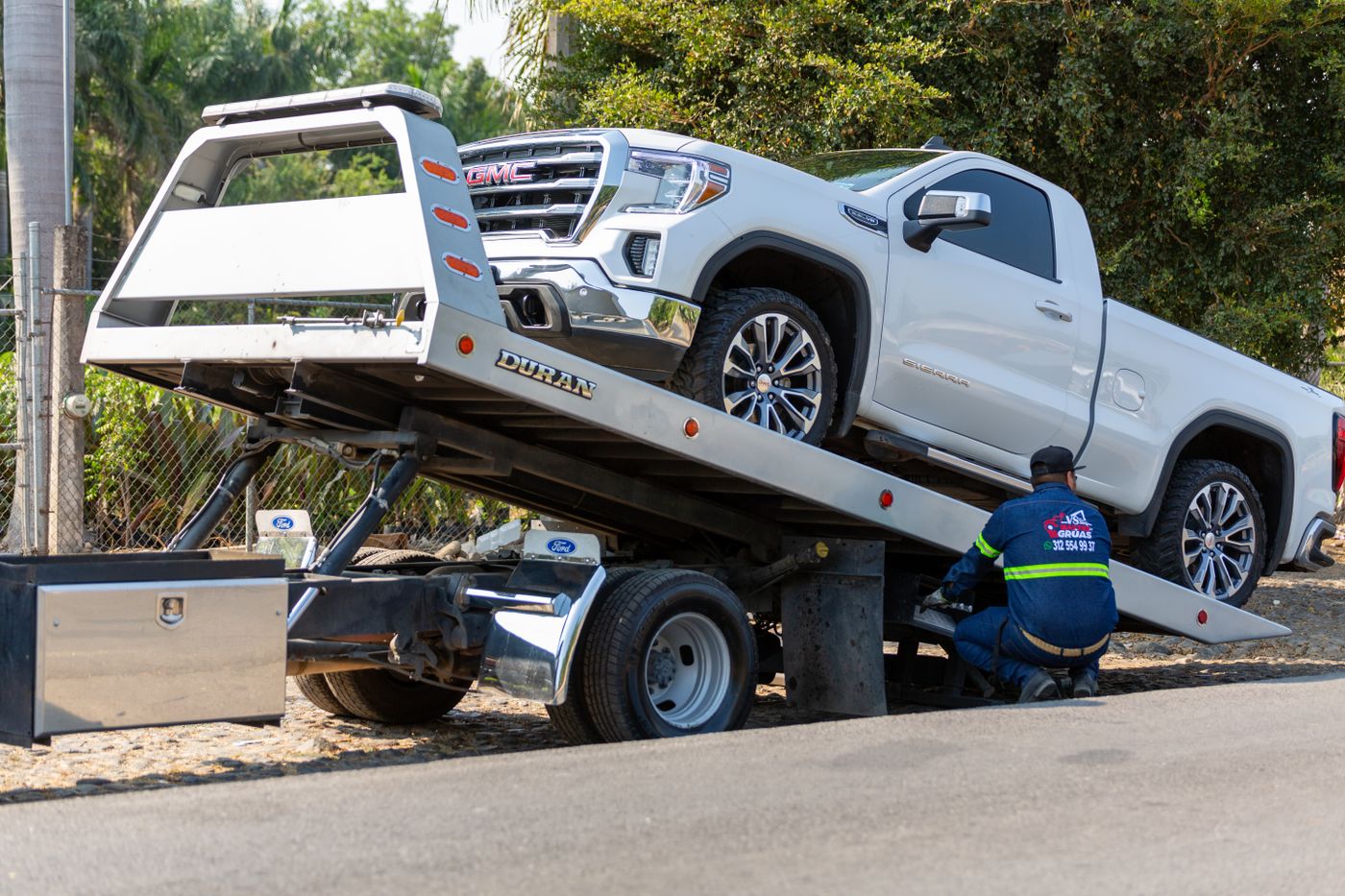
A pickup truck loaded on a flatbed recovery truck. Photo via Pexels.
Vehicle recalls follow a sequence that is not obvious from the outside, and the gap between the announcement and the letter in your mailbox is where most confusion sits.
The sequence
A manufacturer determines a defect exists and files a report with NHTSA. That filing becomes public and receives a campaign number.
VINs typically become searchable on NHTSA’s site shortly afterwards — sometimes within days.
Owner notification letters follow, frequently weeks later. Ford’s joint-tightening campaign was reported on 25 August with VINs searchable from the 26th and letters not expected until 21 September. That is nearly a month in which an owner could know and would not.
Why the delay exists
Letters require the manufacturer to identify current registered owners, which is done through state registration data and takes time. Printing and posting several hundred thousand letters is itself a logistical exercise.
There is also a parts dimension. A manufacturer that notifies before a remedy is available creates demand it cannot serve, so notification is sometimes timed to parts availability — which is why some notices explicitly say a second letter will follow when the fix is ready.
Why the letter may never arrive
Letters go to the registered owner on file. That means they miss people who bought used and never registered, people who moved, and anyone whose registration data is stale.
Used buyers are the most exposed group. A recall filed before you bought the truck was mailed to someone else.
What to do instead of waiting
Check by VIN at nhtsa.gov/recalls, which returns open unrepaired campaigns for that specific vehicle. Do it when you buy, and periodically after.
Recall repairs are free regardless of ownership history, and the obligation follows the vehicle rather than the person who owned it when the defect was found.
And read for the escalated flags — “park it” and “park outside” designations change the advice from schedule an appointment to stop driving, as with the GM transfer case campaign.
The statutory clock
The gap is not slack in the system, it is written into the regulation. A manufacturer must file its Part 573 defect report with NHTSA within five working days of knowing a safety defect exists. From that filing it then has up to 60 days to get owner notification letters into the mail.
That is why a recall can be public and searchable by VIN for weeks before anything reaches the house. The announcement is the Part 573 filing; the letter is a separate obligation running on its own deadline.
There is a further step owners never see. The manufacturer must submit the proposed wording of the letter to NHTSA at least five days before mailing it, and the envelope must be marked SAFETY RECALL NOTICE in capitals, in type larger than the address.
When the remedy is not ready
The commonest reason for a long wait is that the fix does not yet exist in quantity. The rules anticipate that: where a remedy is unavailable, the manufacturer sends an interim notification telling owners the recall exists, then a second letter once parts or software are actually available.
Two letters for one recall is normal rather than an error. The first is a warning. Only the second means you can book the work.
It also explains the do-not-drive and park-outside advisories that occasionally accompany a campaign. Where the risk is severe and the remedy is months out, the interim notice is the only tool available.
This article was researched and drafted with the assistance of AI tools and reviewed, fact-checked and edited by Leonidas Clark before publication. Confirm specifics against your own vehicle documentation.