Two neighbouring states changed their trout rules this year and went in opposite directions. Pennsylvania raised the bar on what an angler may keep. New Jersey opened up when they may fish for it.
Neither state is wrong. They are solving different problems, and the contrast is a useful way to read what your own state does next.
New Jersey: more days on the water
New Jersey’s freshwater fishing regulations took effect on February 17, 2026, and the headline change is the removal of the traditional preseason closure on all lakes and ponds.
That adds roughly 19 days of fishing a year on every trout-stocked lake and pond in the state — water that was previously locked up in the run-up to opening day.
The preseason closure has not gone away everywhere. It remains in effect on all rivers and streams, which is the distinction anglers most often get wrong. Flowing water still closes; stillwater does not.
The creel limits that come with it
Opening lakes and ponds early came with a stepped set of limits through the year. On lakes and ponds:
From January 1 until opening day — two trout, nine-inch minimum. From opening day through May 31 — six trout, nine-inch minimum. From June 1 through December 31 — back to two trout, nine-inch minimum.
The generous window is the stocking season. Either side of it, the limit drops to two. New Jersey also fixed opening day as the second Saturday in April, replacing a date that used to move.
The state describes the goals as more angling opportunity and simpler regulations while still protecting the fishery.
Pennsylvania: fewer fish kept
Pennsylvania went the other way. Its Fish and Boat Commission voted unanimously in July to raise the minimum size for keeping a trout from seven inches to nine, effective January 1, 2027 — the first change to that figure in 43 years.
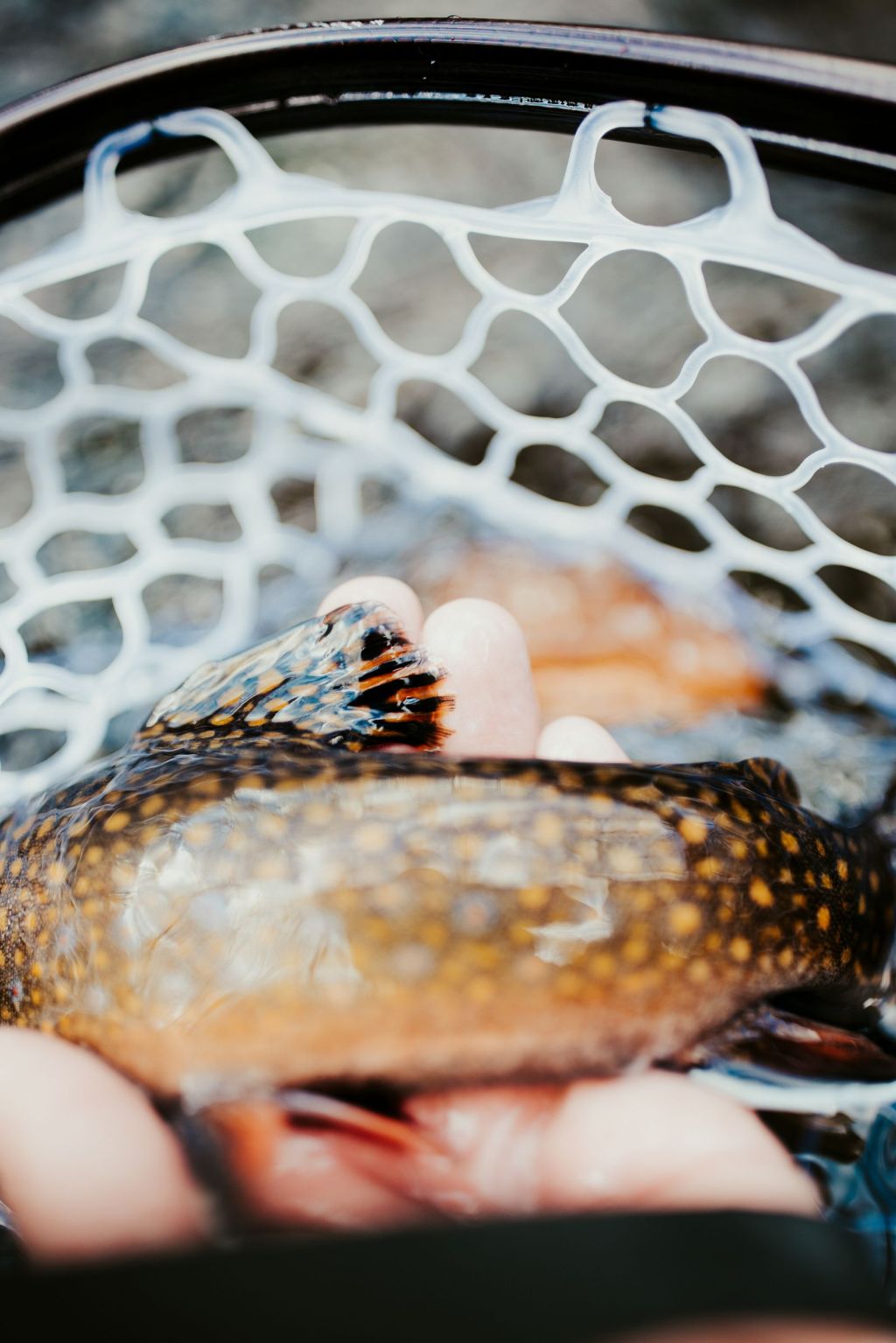
The stated purpose there is protecting wild brook trout, which reproduce naturally in the state’s headwater streams and grow slowly in cold, nutrient-poor water. Full detail is in our piece on the Pennsylvania change.
Why the two states diverge
The difference tracks the fishery, not the philosophy.
New Jersey’s trout fishing is heavily stocked — hatchery fish put into lakes and ponds for anglers to catch. When the fishery is largely put-and-take, extending access costs little biologically, because the fish were placed there to be caught.
Pennsylvania’s concern is wild reproduction. Where a population sustains itself, the size at which fish may be removed determines how many spawn first. A two-inch increase in that floor is a real intervention.
It is worth noticing that both states landed on nine inches as the number, from opposite directions — New Jersey as the standing minimum across its stepped limits, Pennsylvania as a new floor replacing seven.
What to check
If you fish both states, the trap is assuming a rule crosses the border. Preseason closures, opening dates, creel limits and minimum sizes are all set independently, and 2026 moved several of them.
New Jersey publishes its current rules through NJDEP Fish & Wildlife. Pennsylvania posts approved changes and effective dates on the Fish and Boat Commission’s regulatory changes page.
This article was researched and drafted with the assistance of AI tools and reviewed, fact-checked and edited by Leonidas Clark before publication. Confirm current limits with NJDEP Fish & Wildlife before you fish.
 The 4x4 Life
Leave a comment