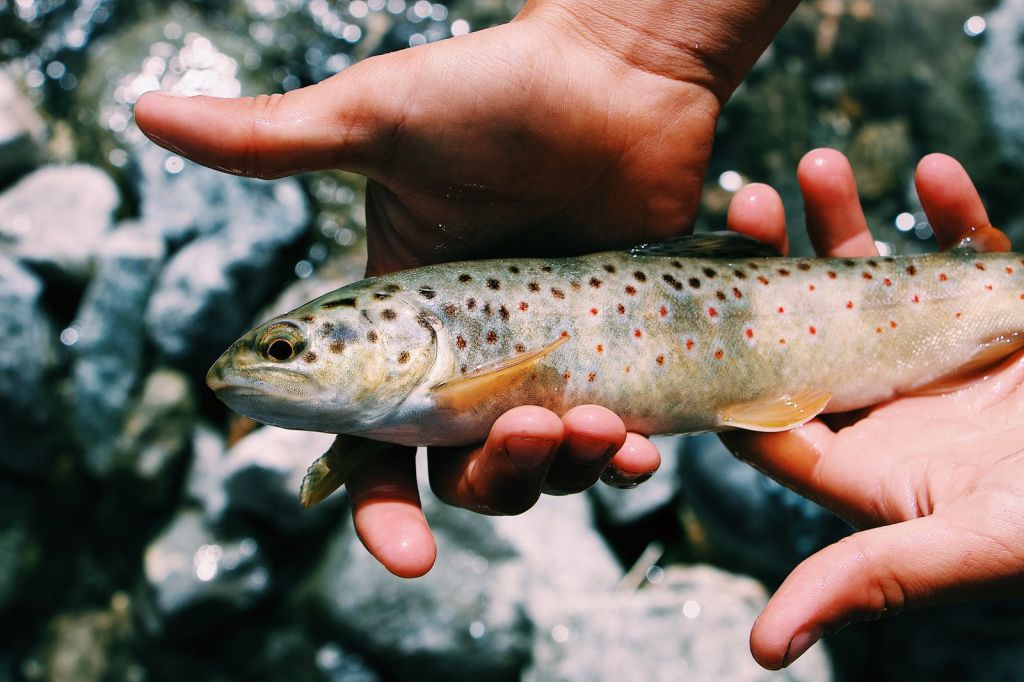
Pennsylvania is raising the minimum size an angler must meet to keep a trout, from seven inches to nine. The Pennsylvania Fish and Boat Commission approved the change at its July 27, 2026 meeting, and it takes effect on January 1, 2027.
It is the first change to the state’s minimum trout size in 43 years, and the commissioners’ vote was unanimous.
What the rule covers
The amendment applies to Commonwealth inland waters, stocked trout waters open to year-round fishing, 13 streams managed under miscellaneous special regulations, and the extended season. In practical terms, most water where a Pennsylvania angler would keep a trout is covered.
The change is to the minimum size limit only. Anglers should read it alongside the creel limits for the water they are fishing, which are set separately and are not affected by this amendment.
The reasoning: wild brook trout
The Commission’s stated purpose is added protection for the state’s wild brook trout. Pennsylvania’s state fish is native, and unlike stocked rainbow and brown trout it reproduces naturally in the state’s headwater streams.
A two-inch increase in the minimum size matters more for brook trout than the number suggests. Wild brook trout in small, cold, nutrient-poor Appalachian headwaters grow slowly and often mature at modest sizes. Raising the floor from seven to nine inches means more fish get at least one spawning season before they are legally harvestable. In a stocked rainbow fishery a two-inch change is a minor adjustment; in a wild brook trout stream it can change what share of the population reproduces before it is removed.
The timing gap is deliberate
The rule was approved in July 2026 but does not take effect until January 1, 2027, which leaves anglers a full season under the existing seven-inch limit and gives the Commission time to update printed regulations and signage.
That gap is also where confusion tends to happen. Regulation summaries in circulation now still describe the old limit. Anyone fishing Pennsylvania in the 2027 season should confirm the current figure against the Commission’s own materials rather than a booklet picked up the previous year.
Part of a wider pattern
Pennsylvania is not moving alone. Several states have adjusted trout rules for 2026 and 2027, in different directions and for different reasons.
New Jersey lifted its traditional preseason closure on all lakes and ponds, adding roughly 19 days of fishing a year on stocked stillwaters, with creel limits stepped through the year — two trout at nine inches from January 1 to opening day, six from opening day through May 31, and back to two from June 1 through December 31.
Arkansas changed limits on four major tailwaters earlier in the year, driven by stocking shortfalls rather than by wild-fish protection. Utah’s wildlife agency has been taking public comment on proposals for the 2027–28 cycle, including cutting the daily brook trout limit at Donkey Lake from 16 fish to eight.
The common thread is not a single policy direction. It is that trout regulations are being revisited more actively than they were, and that a rule which held for four decades in Pennsylvania is no longer a safe assumption anywhere.
What this means if you fish Pennsylvania
For the rest of the 2026 season, nothing changes. From January 1, 2027, a trout must be nine inches to keep on the waters covered by the amendment.
The practical habit worth building is measuring rather than eyeballing. The difference between seven and nine inches is easy to misjudge on a wet fish in low light, and the burden is on the angler.
The Commission publishes approved regulatory changes and their effective dates on its regulatory changes page, which is the authoritative place to confirm the rule before the season opens.
This article was researched and drafted with the assistance of AI tools and reviewed, fact-checked and edited by Leonidas Clark before publication. Regulations change; verify current rules with the relevant agency before you go.
 The 4x4 Life
Leave a comment