Explainer
Two knives can be the same length, the same steel and the same price, and be genuinely bad at each other’s jobs. The difference is usually geometry — how the blade is ground — and it is the specification people notice last.
Grind, in one paragraph
The grind is the shape of the blade’s cross-section: how the steel thins from spine to edge. A thin, shallow taper cuts easily and is comparatively fragile. A thick, steep taper resists damage and pushes material apart rather than slicing through it.
Everything else about blade geometry is a variation on where a maker chose to sit on that line.
Why skinning knives are ground thin
Field dressing and skinning are slicing tasks. The knife is separating hide from tissue, following a plane, and the work rewards a blade that parts material with minimal force.
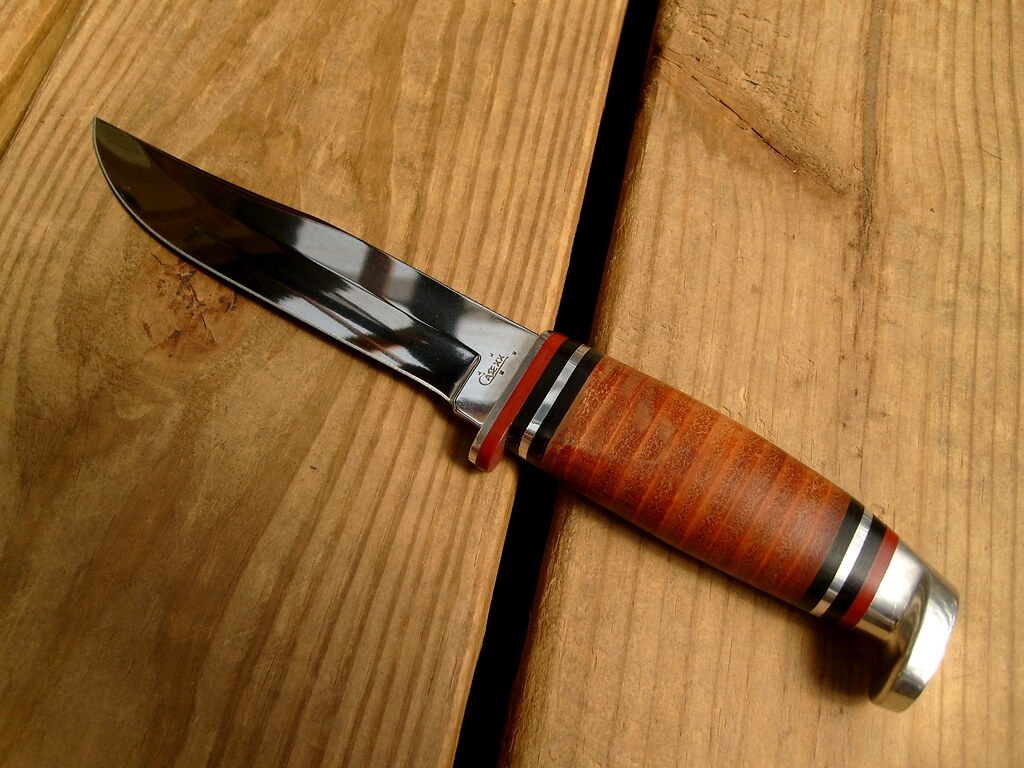
Thin geometry does that. It also usually comes with a pronounced belly — the curve toward the tip — because a curve gives you more cutting edge in contact when you are working in a sweeping motion rather than pushing straight down.
The trade-off is that the same thin edge is the one that chips when it meets bone or grit, and skinning puts you near both.
Why bushcraft knives are ground thick
A bushcraft blade is doing something closer to controlled splitting. Carving, feathering, notching, and batoning all load the blade in ways that a slicing grind is not built to survive.
So the geometry goes the other way: thicker stock, a taper designed to wedge wood apart, often a flat or Scandinavian grind that presents an obvious bevel you can lay flat against a stone.
That last point matters more than it sounds. A grind with a single flat bevel is straightforward to resharpen by feel in the field, because the bevel itself tells your hand the angle. That is a design decision about maintenance, not just cutting.
Spine and tang tell you the intent
Two other features signal what a maker had in mind.
A sharp, squared spine is deliberate. It throws sparks off a ferro rod and scrapes tinder. A rounded spine is more comfortable to push on with a thumb. You cannot have both, and which one a maker chose tells you what they expected the knife to be doing.
A full tang — steel running the full width and length of the handle — is heavier and stronger under lateral load. A partial or stick tang is lighter and perfectly adequate for cutting tasks, but is the wrong choice for anything involving impact.
The honest conclusion
The reason experienced people carry more than one blade is not gear acquisitiveness. It is that the geometry which makes a knife excellent at skinning is the same geometry that makes it fail at splitting kindling.
If you are carrying one knife, you are choosing which job to do well and which to do adequately. Knowing which way your knife is ground tells you which of those you have chosen — and that is worth more than knowing what steel it is made of.
For the related question of what the steel designation does and does not tell you, see our piece on blade steel.
This article was researched and drafted with the assistance of AI tools and reviewed, fact-checked and edited by Leonidas Clark before publication. It explains general principles rather than recommending specific products.
 The 4x4 Life
Leave a comment