Explainer
Water crossings produce more expensive failures than almost anything else in off-road driving, and the mechanism is usually not what people expect.
Hydrolock
An engine compresses air. It cannot compress water. If water is drawn into the intake and reaches a cylinder, the piston meets an incompressible mass and something breaks — typically a connecting rod, and typically catastrophically.
That is why intake height, not vehicle height, is the relevant measurement. A snorkel raises the intake; it does nothing for anything else.
It happens in an instant and it is not repairable at the trailhead.
The other damage
Water entering differentials, transmission and transfer case through breathers turns oil into an emulsion that no longer protects. The damage shows up weeks later as bearing failure, long after the crossing is forgotten.
Extending breather hoses upward is the common preventive measure. Checking fluids after a deep crossing is the cheap one — milky fluid is a clear signal.
Electrical connectors, alternators and modern sensor packages are also unhappy submerged.
Current is the underestimated variable
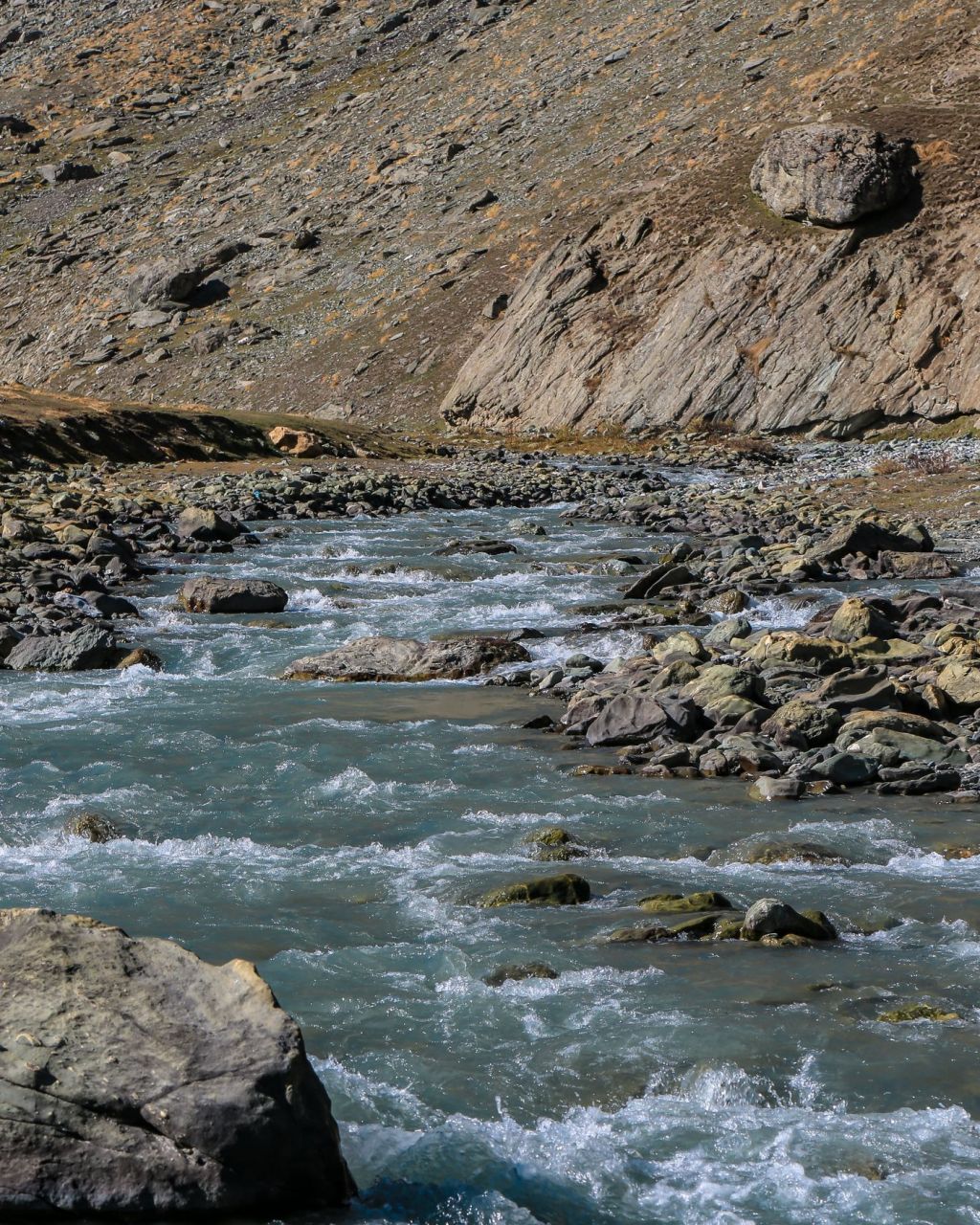
Moving water applies force to the side of a vehicle, and a surprisingly modest depth of fast water can float or shift a heavy truck. Buoyancy reduces effective weight, and reduced weight means reduced traction at exactly the wrong moment.
The general safety guidance for vehicles in floodwater exists because this is a leading cause of flood fatalities. Off a maintained road, in unknown water, the margin is thinner still.
The bottom
What is under the water decides whether you cross. Silt, soft sand and unseen boulders are what strand vehicles, and none are visible from the bank.
Walking a crossing first is the standard advice for a reason. If the water is too fast or too deep to walk safely, that is the answer for the vehicle too.
The technique
Enter slowly, maintain a steady modest speed to create a bow wave, keep momentum, and do not stop mid-crossing. The bow wave lowers water level around the engine bay.
And know that recovery from mid-river is far harder than recovery from anywhere else. The right decision is often the one made on the bank.
This article was researched and drafted with the assistance of AI tools and reviewed, fact-checked and edited by Leonidas Clark before publication. Off-road travel carries real risk; conditions and rules vary and you are responsible for your own judgement.
 The 4x4 Life
Leave a comment