Explainer
Driving to a hunt in another state means crossing jurisdictions whose firearm rules differ. Federal law addresses this, and the protection it offers is narrower than it is often described.
The federal safe-passage provision
The Firearm Owners Protection Act includes a provision protecting a person transporting a firearm between two places where they may lawfully possess it, even through a jurisdiction where possession would otherwise be restricted.
The protection is conditional. It generally requires that the firearm be unloaded, and that the firearm and ammunition be inaccessible from the passenger compartment — in a locked container or the trunk, with a glove compartment or console specifically not qualifying as inaccessible.
It protects transport. It is not a general authorisation to possess or carry in the intervening jurisdiction, and stopping longer than the journey requires can move a person outside what it covers.
Where it stops helping
The starting point and destination both have to be places where possession is lawful. If the firearm is prohibited in the destination state, the provision does not help.
Magazine capacity limits, features-based restrictions and registration requirements are state-level and vary. A firearm entirely lawful at home can be unlawful to possess on arrival.
Some jurisdictions interpret the conditions strictly, and being right about the law is not the same as avoiding an unpleasant afternoon.
The hunting layer on top
Even where possession is lawful, method-of-take rules govern what may be used to take game — a separate question from what may be possessed or transported.
Loaded-firearm-in-a-vehicle rules are also common and are usually wildlife regulations rather than firearms law. Many states prohibit a loaded firearm in or on a motor vehicle regardless of any carry permit.
The practical checklist
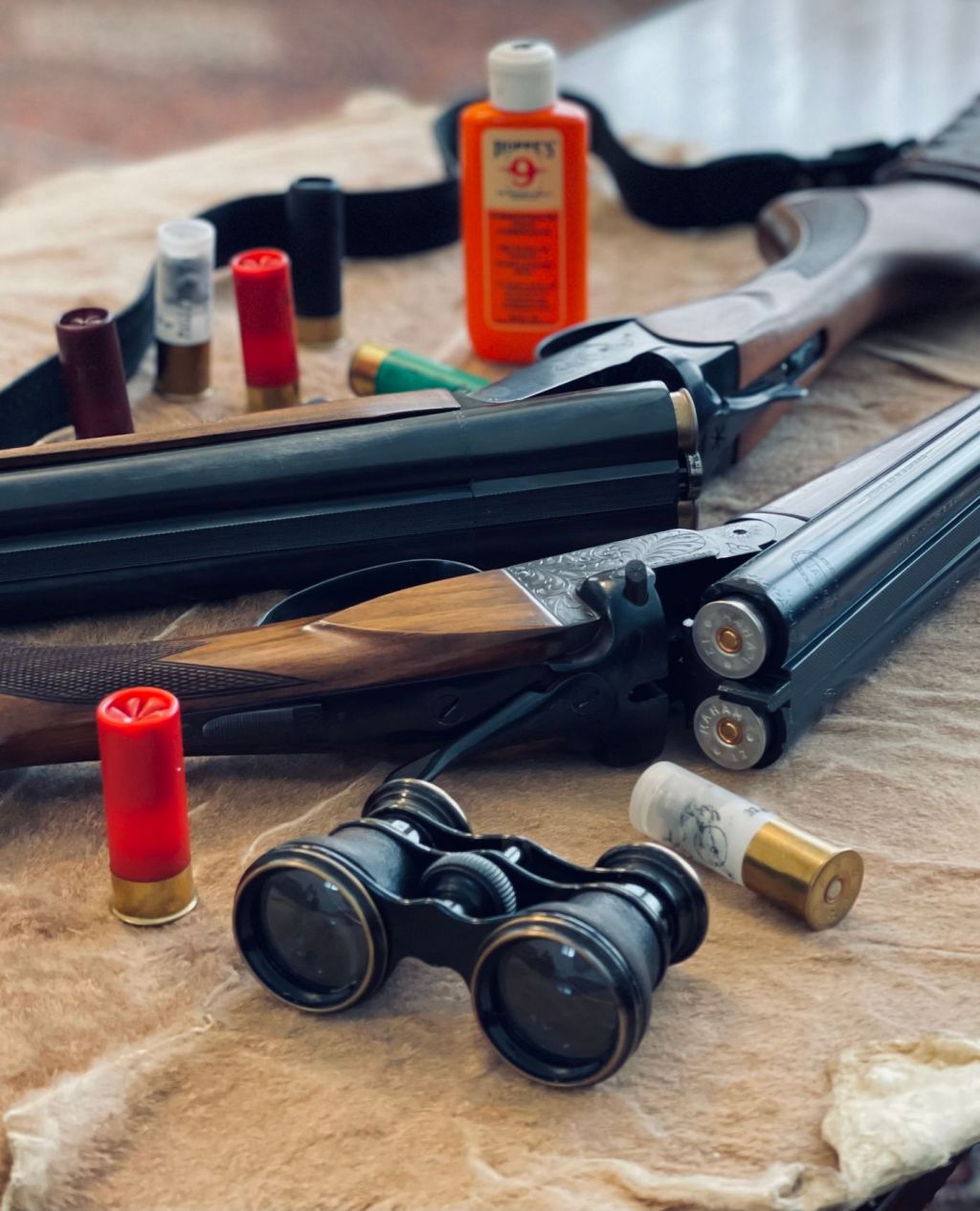
Unloaded. Cased. Ammunition separate. Out of the passenger compartment. Know the destination state’s rules before you leave, not at the border.
And if the trip crosses a jurisdiction with significantly stricter rules than either endpoint, that leg is worth specific attention rather than an assumption that federal law covers it.
This article was researched and drafted with the assistance of AI tools and reviewed, fact-checked and edited by Leonidas Clark before publication. It is general information, not legal advice. Confirm current rules with the relevant agency before you travel or hunt.
 The 4x4 Life
Leave a comment