Explainer
One of the most frequently violated rules in hunting has nothing to do with firearms law as most people understand it.
Many states prohibit carrying a loaded firearm in or on a motor vehicle — and that prohibition frequently sits in the wildlife code rather than the firearms code, applies regardless of any carry permit, and often extends to off-road vehicles.
Why the distinction matters
A person with a valid carry permit may reasonably assume it settles the question. It usually does not, because the two rules exist for different reasons.
Carry law is about public safety and self-defence. The vehicle rule in a hunting context is about road hunting — shooting from or across a roadway — and about unattended loaded firearms in a truck at a trailhead. It is enforced by game wardens under wildlife authority.
What “loaded” means varies
This is where the detail bites. Definitions differ on whether a round in the magazine, with an empty chamber, counts as loaded.
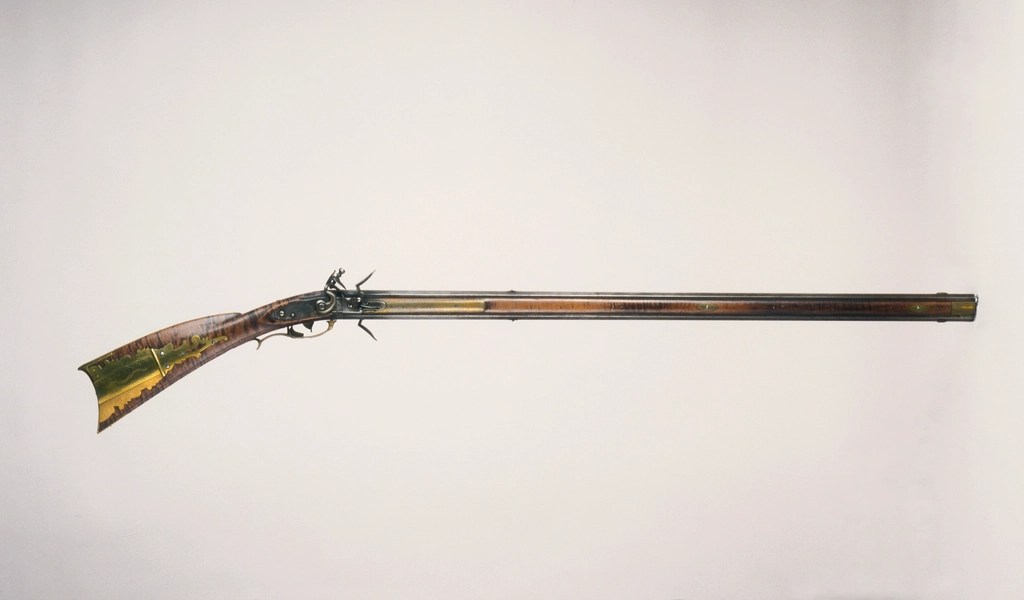
Some states define loaded as any ammunition in the firearm including the magazine. Others define it as a round in the chamber. A muzzleloader with a charge and no primer or cap is treated differently again, and that is specified separately in most digests.
Getting this right requires reading the definition rather than reasoning from what seems sensible.
Vehicle is broader than truck
The rule commonly extends to ATVs, UTVs and snowmobiles, which matters for anyone using a machine to access hunting ground.
That is worth noting alongside the growing number of states allowing road-registered side-by-sides, such as South Carolina from November. A machine becoming street legal does not change the wildlife rule about a loaded firearm on it.
The habit
Unload before the firearm goes in the vehicle, every time, without treating short moves between stands as an exception. Most citations come from short moves.
And check the definition of loaded in the state you are hunting, because the answer to “is this loaded” is a legal question before it is a mechanical one.
This article was researched and drafted with the assistance of AI tools and reviewed, fact-checked and edited by Leonidas Clark before publication. It is general information, not legal advice. Confirm current rules with the relevant agency.
 The 4x4 Life
Leave a comment