
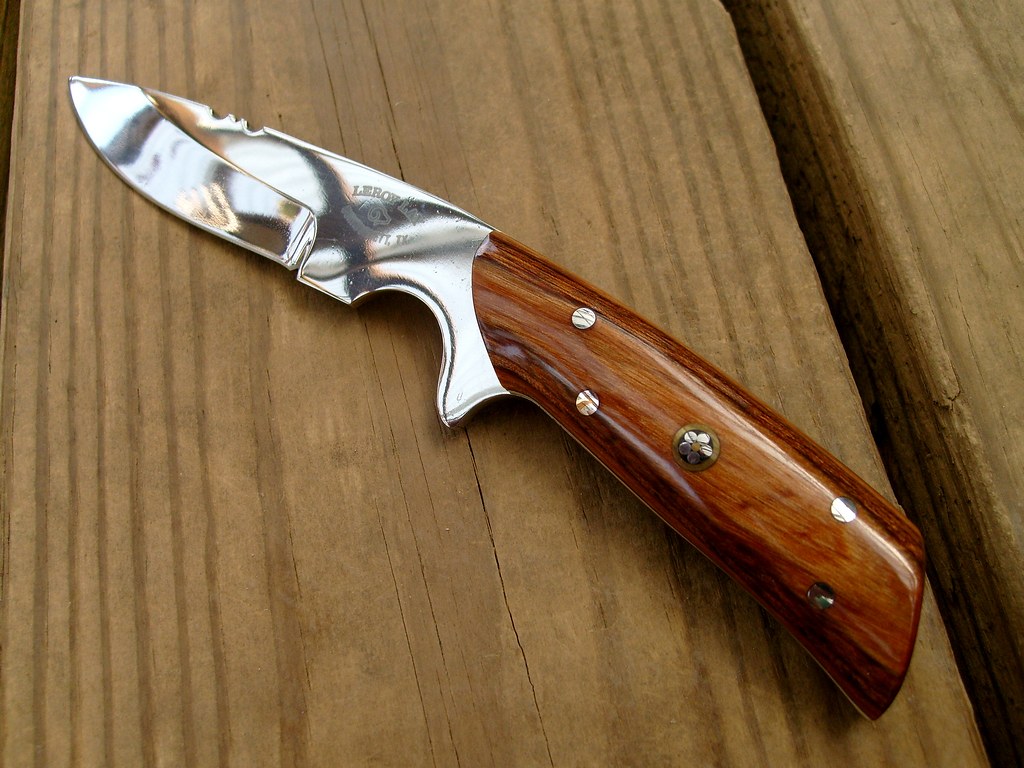
Explainer
A knife that gets used regularly rarely rusts, because it gets handled, wiped and dried. The blades that develop pitting are the ones that went away dirty in autumn and came out in spring.
What actually causes corrosion
Rust needs moisture and oxygen. What accelerates it is anything that holds moisture against steel or lowers the barrier: salt, acids from food and blood, and residues left on the blade.
Blood is the one people underestimate. It is salty and mildly acidic, and a blade wiped on a trouser leg after field dressing still carries plenty of it.
Stainless steels resist this. They do not ignore it. “Stainless” means more resistant, not immune, and a neglected stainless blade will spot.
The cleaning that matters
Warm water and a little soap, then dry thoroughly. That is the whole procedure for most blades.
The part people skip is drying completely, including the pivot on a folder and the join where blade meets handle on a fixed blade. Those are exactly where moisture sits and where corrosion starts out of sight.
For folders, working the blade open and closed a few times after drying helps clear water from the pivot.
Oil, sparingly
A light film of oil on the blade is the standard protection. Food-safe mineral oil is a sensible default for anything that touches game or food.
More is not better. Heavy oil collects dust and grit, and on a folder it migrates into the mechanism and makes a paste with pocket lint.
Carbon steel benefits from a patina — the stable oxide layer that forms with use. A patina is protective. Red-orange pitting is not, and the difference is worth learning to recognise.
Where not to store a knife
Not in a leather sheath. Leather holds moisture and, depending on tanning, can carry residues that are actively unhelpful against steel.
Not in a sealed plastic bag or case with no ventilation, which traps whatever humidity was present.
Not in a vehicle. Trucks swing through large temperature ranges and condense moisture routinely — which is worth knowing, because the truck is exactly where most people keep a spare blade.
A dry drawer, blade lightly oiled, sheath stored separately, is unglamorous and works.
This article was researched and drafted with the assistance of AI tools and reviewed, fact-checked and edited by Leonidas Clark before publication.
 The 4x4 Life
Leave a comment