Explainer
Mountain states operate traction and chain requirements that activate with conditions, and the assumption that a 4WD truck is automatically exempt is both common and wrong.
How the levels work
Most systems use tiered requirements that escalate with conditions. In broad terms:
A lower level typically requires all vehicles to have adequate tread and, for two-wheel-drive vehicles, chains or an approved traction device.
A higher level typically requires chains or traction devices on all vehicles, including four-wheel drive.
The highest level is usually a closure.
The specific naming, thresholds and vehicle classes differ by state, which is why reading the actual state rule matters more than remembering a generic scheme.
What counts as a traction device
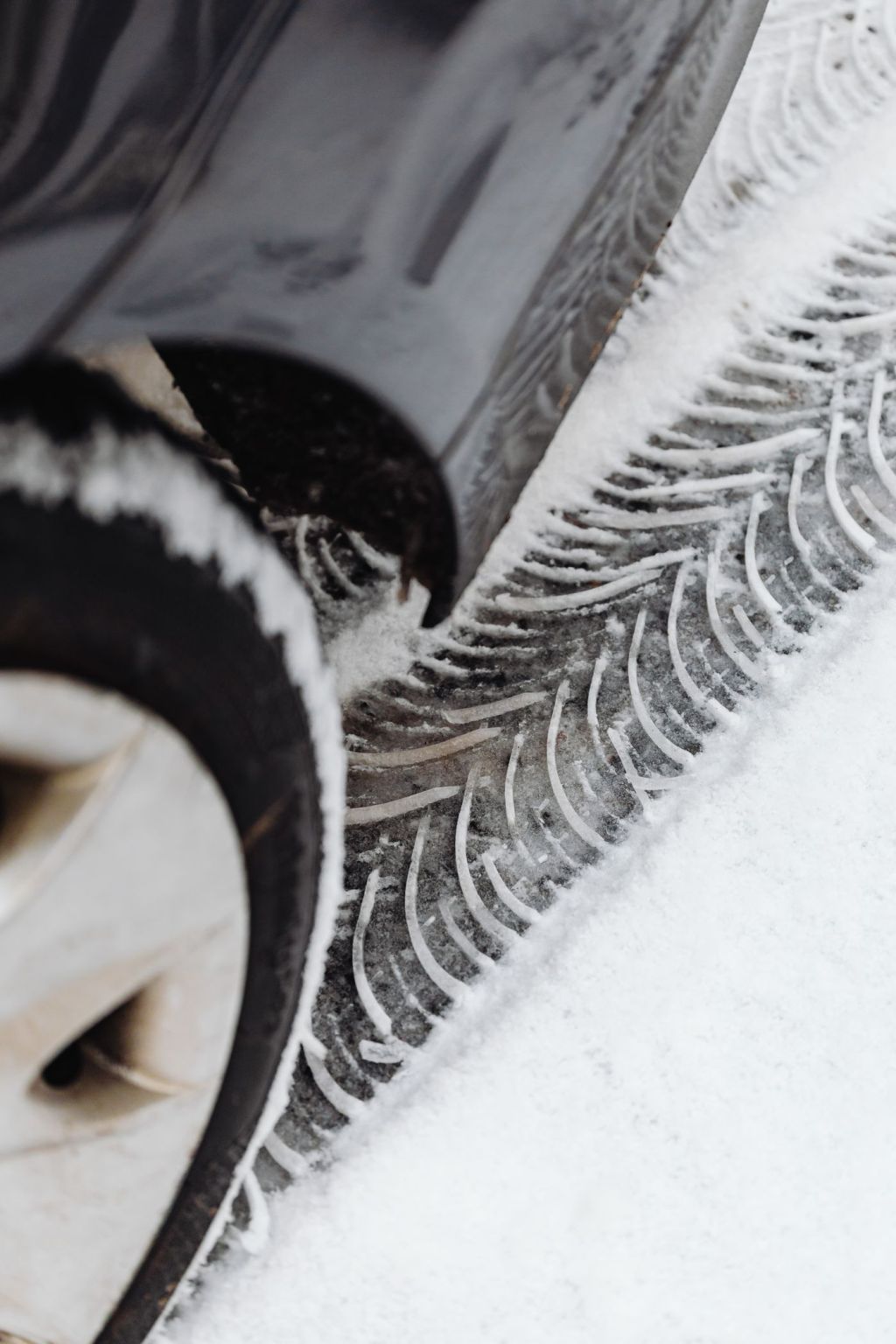
Requirements often accept alternatives to conventional chains — cables, textile covers, or tyres bearing specific markings.
The three-peak mountain snowflake symbol on a sidewall indicates a tyre that has met a severe snow service standard. Several states accept it in place of chains at lower requirement levels. The older M+S marking is a less demanding designation and is not always sufficient.
Tread depth minimums frequently apply alongside, and a tyre with the right symbol but insufficient tread does not satisfy the rule.
The 4WD assumption
Four-wheel drive helps a vehicle accelerate and maintain traction. It does not shorten stopping distance and does not help in a corner beyond what the tyres provide.
That is why higher-level chain requirements include 4WD vehicles. The regulation is about the whole traffic stream continuing to move and stop predictably, not about whether an individual vehicle can get going.
Practically
Carry chains that fit the tyres actually on the truck — a change in tyre size can invalidate chains bought for the original fitment.
Fit them before you need them, at least once, somewhere warm and dry. A first attempt in a snowstorm on a shoulder at night is a genuinely bad experience.
And check clearance. Some vehicles have limited room at the drive wheels and specify particular chain types for that reason, which is in the owner’s manual rather than on the packaging.
This article was researched and drafted with the assistance of AI tools and reviewed, fact-checked and edited by Leonidas Clark before publication. General information, not legal or mechanical advice for a specific vehicle.
 The 4x4 Life
Leave a comment