
Explainer
A boat used for fishing brings its own body of regulation, largely independent of fishing rules, and it is enforced on the water.
Registration and numbering
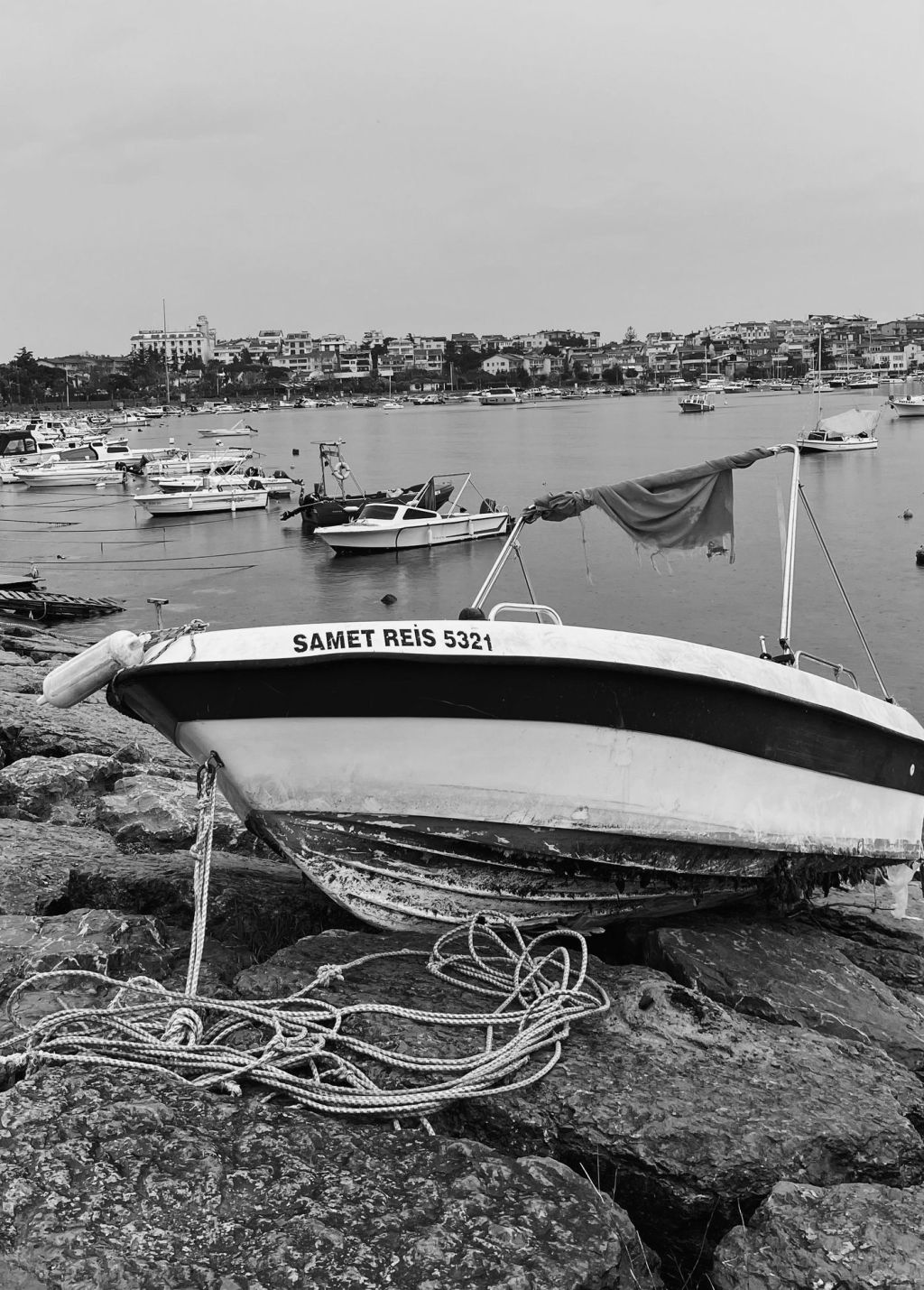
Most motorised vessels must be registered in the state of principal use, and the registration number must be displayed on the forward half of each side in a specified size, colour contrast and style, with the validation decal placed as the state requires.
Requirements for non-motorised craft vary — some states register canoes and kayaks, many do not.
Registration reciprocity for visiting boats is common but time-limited, typically expressed as a number of consecutive days.
The equipment list
The federal baseline, with state additions, generally requires:
Life jackets — a wearable, properly sized, in serviceable condition, for every person aboard, plus a throwable device on larger vessels. Children’s wear requirements are set by state and are frequently mandatory.
Fire extinguisher where the vessel has enclosed fuel or engine spaces, of the correct class and within date.
Sound-producing device — a horn or whistle.
Visual distress signals for coastal and certain other waters, with flares carrying expiry dates that are checked.
Navigation lights operating between sunset and sunrise and in restricted visibility.
Engine cut-off switch use is now federally required for certain vessels while on plane.
Where people fall short
Expired flares, a fire extinguisher that has lost charge, life jackets in the wrong size for the children aboard, and missing or unlit navigation lights.
None of these are difficult to satisfy, and all of them are visible in an inspection.
The other layer
Boater education certification is required in many states, often tied to birth-date cutoffs in the same way hunter education is.
And operating under the influence is enforced on water as it is on the road, frequently with the same thresholds and consequences.
This article was researched and drafted with the assistance of AI tools and reviewed, fact-checked and edited by Leonidas Clark before publication. It is general information, not legal advice. Rules vary by state and water.
 The 4x4 Life
Leave a comment