Explainer
Hunter orange is the most visible safety regulation in hunting and one of the least standardised. The requirement exists nearly everywhere; almost every detail of it differs.
The variables
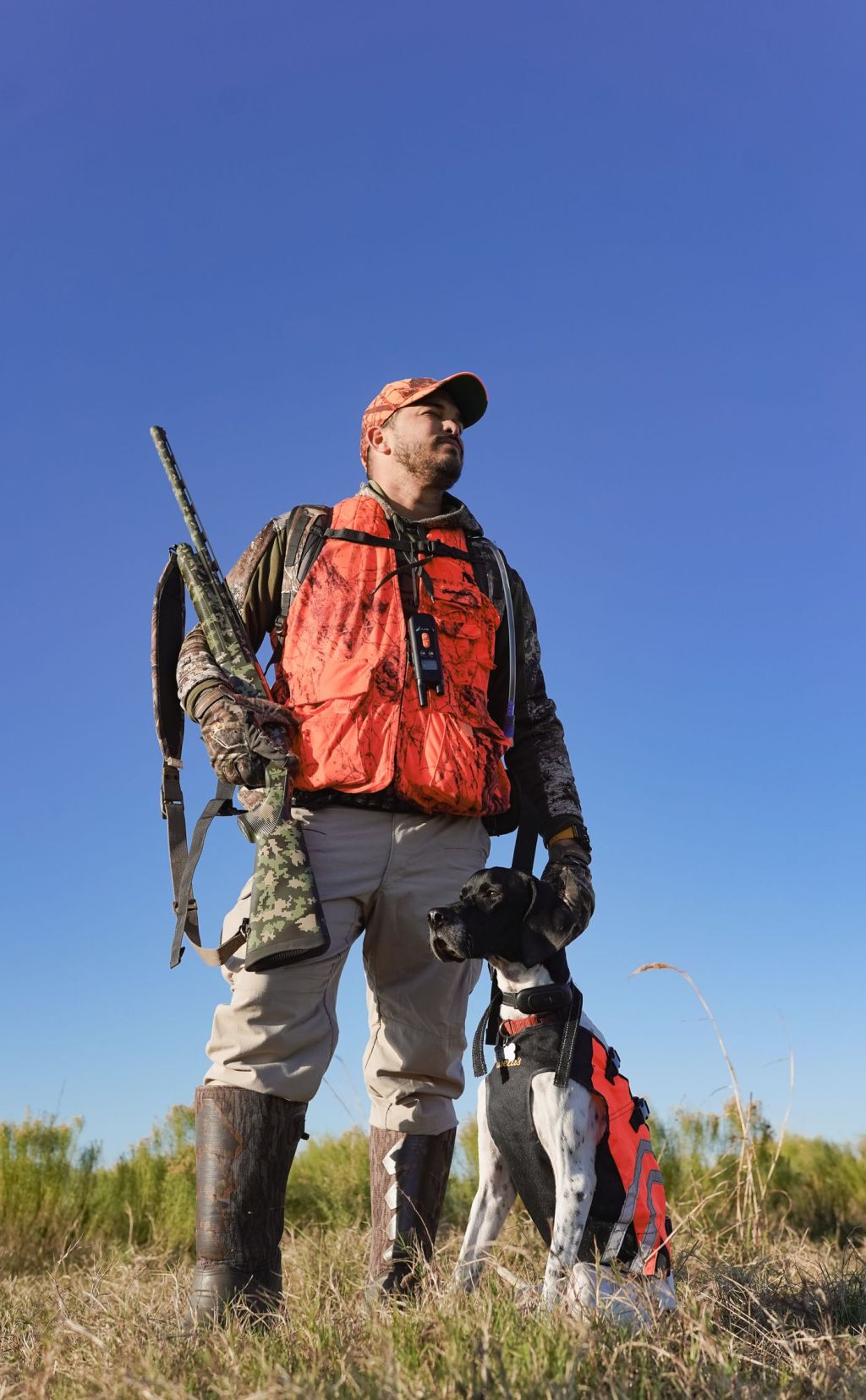
How much. Requirements are usually expressed as a minimum area — a number of square inches of visible material — or as specified garments, such as a vest and a head covering.
Which shade. Statutes often specify “hunter orange” or “daylight fluorescent orange” as a defined colour rather than orange generally. Some states now also permit fluorescent pink; many do not.
Visible from where. A common phrasing is that the colour must be visible from all sides, which rules out a panel only on the back.
Which seasons and species. Requirements frequently apply during firearm deer seasons and not during archery, and may exempt waterfowl hunters, who are concealed for a reason.
Camo patterns. Some states allow orange camouflage; others require solid colour, or require a minimum percentage of solid orange within a pattern.
Why waterfowl is usually exempt
The purpose of orange is being seen by other hunters. Waterfowl hunting happens over water or from a blind, at birds overhead, where the risk profile and the concealment requirement are both different.
That exemption is a good illustration of the underlying logic: these rules are about the specific way people get shot in a specific kind of hunting, not about visibility as an abstract good.
It applies to more than the hunter
Several states extend the requirement to anyone accompanying a hunter, which catches out non-hunting companions and photographers.
Some also require orange on ground blinds visible from outside — a rule that exists because a concealed blind is exactly what a moving hunter fails to see.
The practical position
Wearing more than the minimum costs nothing and is never illegal where orange is required.
The one place to be careful is assuming reciprocity. A vest that satisfies your home state may not satisfy the state you drove to, particularly on the “visible from all sides” point. Check the digest for the state you are actually hunting.
This article was researched and drafted with the assistance of AI tools and reviewed, fact-checked and edited by Leonidas Clark before publication. It is general information, not legal advice. Rules vary by state and unit and change; confirm with the relevant wildlife agency before you hunt.
 The 4x4 Life
Leave a comment