Explainer
Lowering tyre pressure is the single most effective free thing you can do off pavement, and the reason it works is geometric rather than magical.
What actually changes
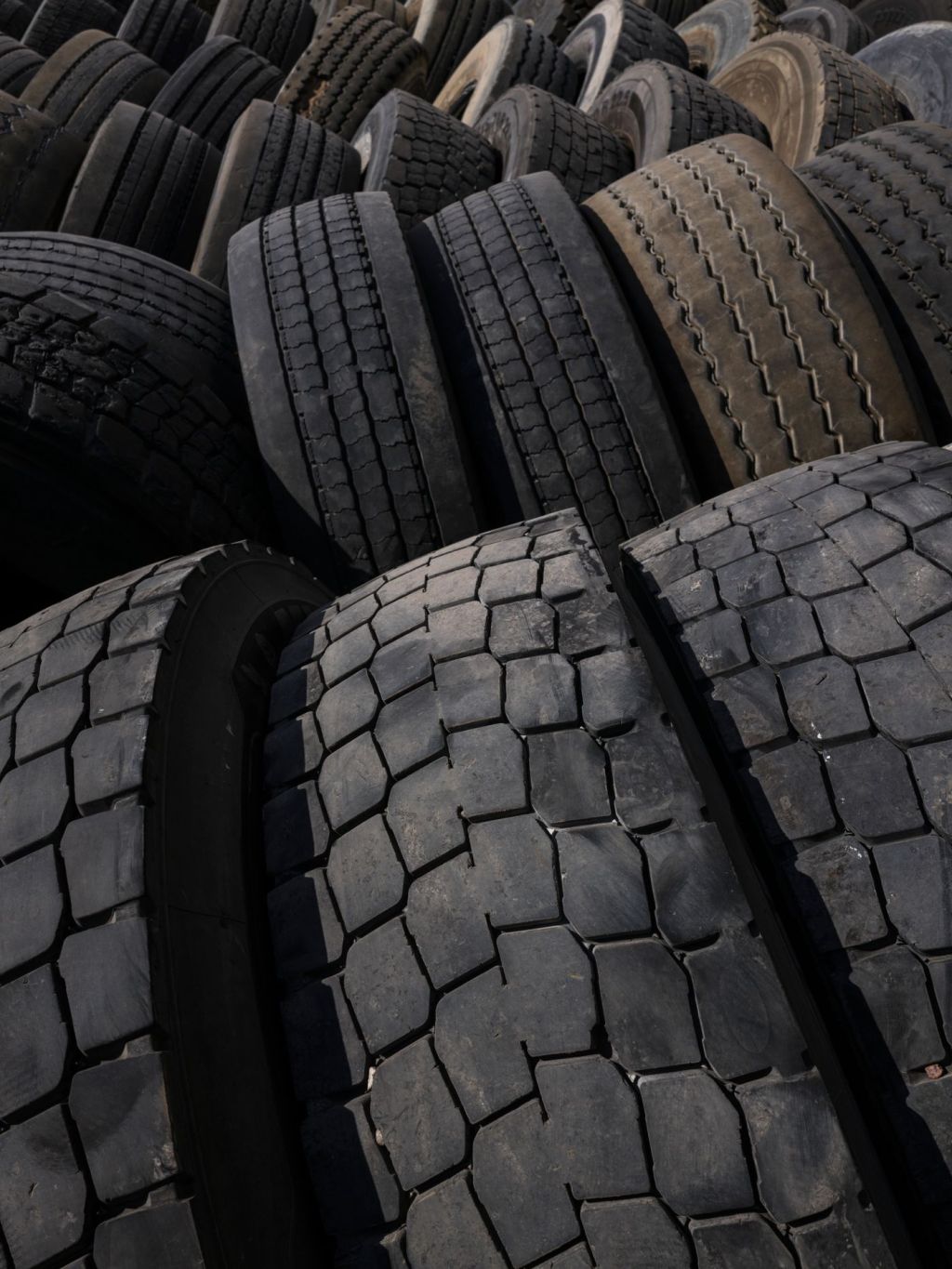
A tyre at road pressure is a relatively rigid, rounded shape with a small contact patch. Reduce the pressure and the carcass flexes, the footprint lengthens, and the tread conforms around rocks and roots instead of riding over them.
On soft surfaces — sand especially — the longer footprint spreads weight over more area and reduces how far the tyre sinks. Sand traction is largely a question of flotation.
The ride improves too, because the tyre absorbs impacts the suspension would otherwise transmit.
The risks
Debeading. At low pressure the tyre is held on the rim mainly by pressure. A hard sideways load — a rut, a rock ledge, a sharp turn — can unseat the bead and deflate the tyre instantly.
Sidewall damage. A bulging sidewall sits closer to rocks and is the least protected part of the tyre.
Heat. A flexing tyre generates heat. That is tolerable at trail speed and destructive at highway speed, which is why airing back up before pavement is not optional.
Steering feel. Response becomes vague, and on a shelf road that matters.
How low is a judgement, not a number
The right pressure depends on vehicle weight, tyre construction, wheel width and terrain. A heavy truck on load range E tyres and a light vehicle on passenger-rated tyres do not want the same figure.
The honest guidance is to reduce gradually, observe how the vehicle behaves, and stop well short of the point where the tyre visibly bulges at the rim.
Beadlock wheels exist specifically to remove the debeading risk, and are not street legal in many configurations, which is its own consideration.
The part people forget
You need a way to reinflate. A compressor is not an accessory here, it is the thing that lets you go home.
And reinflate before pavement, every time. Running airing-down pressure at highway speed is how tyres overheat and fail — the same underlying physics as the speed rating issue, arriving from a different direction.
This article was researched and drafted with the assistance of AI tools and reviewed, fact-checked and edited by Leonidas Clark before publication. Off-road travel carries real risk; conditions and rules vary and you are responsible for your own judgement.
 The 4x4 Life
Leave a comment