Explainer
Lead ammunition restrictions are among the most misunderstood rules in hunting, largely because several different rules with different scopes get discussed as one.
Waterfowl: the long-standing federal rule
Non-toxic shot has been required for waterfowl hunting nationwide since 1 September 1991, when the contiguous 48 states, Alaska, Hawaii, Puerto Rico, the Virgin Islands and US territorial waters were designated non-toxic shot zones. The rule sits at 50 CFR 20.21(j), which prohibits taking migratory game birds while possessing shot other than steel or another approved non-toxic material — each of which must contain less than 1 percent residual lead.
It applies to ducks, geese and brant, swans, coots, and any species sharing an aggregate bag limit with them in concurrent seasons. It has never applied to upland birds or big game generally, which is where much of the confusion begins.
State-level restrictions
Some states impose broader non-lead requirements, often geographically. California’s restrictions, tied originally to condor range and later extended, are the most commonly discussed.
These vary in scope — some cover all hunting, some specific species, some specific areas — and they change. A state-level rule is not inferable from the federal one.
Land-specific rules
Individual national wildlife refuges and some state wildlife areas set their own ammunition requirements as a condition of hunting there. In September 2022 the Fish and Wildlife Service announced a phase-out of lead ammunition and tackle at 18 refuges, on station-by-station timelines.
This is easy to miss because the rule attaches to the property rather than the state or species. A hunter can be entirely compliant with state law and non-compliant on the refuge they are standing on. The station-specific refuge regulations are where those conditions live.
The underlying issue
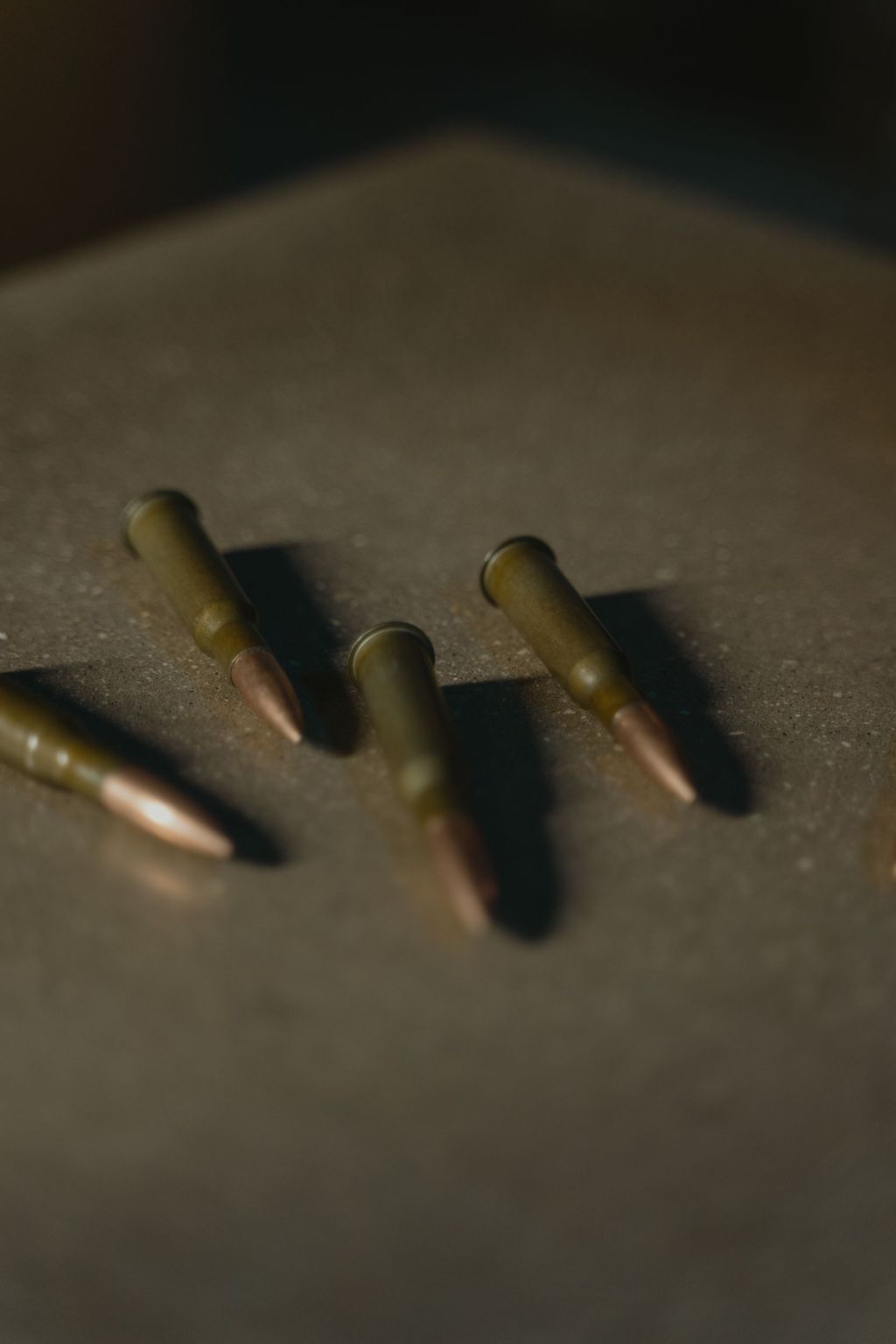
The concern driving these rules is secondary ingestion — scavenging birds consuming lead fragments from carcasses and gut piles. Lead rifle bullets fragment on impact and the pieces remain in what is left in the field. Raptors and condors are the species usually cited, and the Park Service has described lead as the greatest current threat to the California condor.
There is genuine scientific literature on fragmentation and on lead exposure in scavengers, and there is genuine disagreement about the scale of population-level effect and about the cost and ballistic trade-offs of alternatives. Both of those can be true at once, and the regulations reflect where individual agencies have come down.
Practically
Check three levels: the federal rule for the species, the state rule for the area, and the specific property’s rules if you are on public land with its own conditions.
Non-lead ammunition also behaves differently — different densities and expansion characteristics mean sighting-in with what you will hunt with is not optional.
Sources
- 50 CFR 20.21 — What hunting methods are illegal? (eCFR), subsection (j) on non-toxic shot
- 50 CFR 20.134 — Approval of nontoxic shot types and shot coatings (eCFR)
- US Fish & Wildlife Service, Nontoxic Shot Regulations for Hunting Waterfowl and Coots in the U.S.
- US Fish & Wildlife Service, California Condor Recovery Program
This article was researched and drafted with the assistance of AI tools and reviewed, fact-checked and edited by Leonidas Clark before publication. It is general information, not legal advice. Confirm current rules with the relevant agency.
 The 4x4 Life
Leave a comment