Explainer
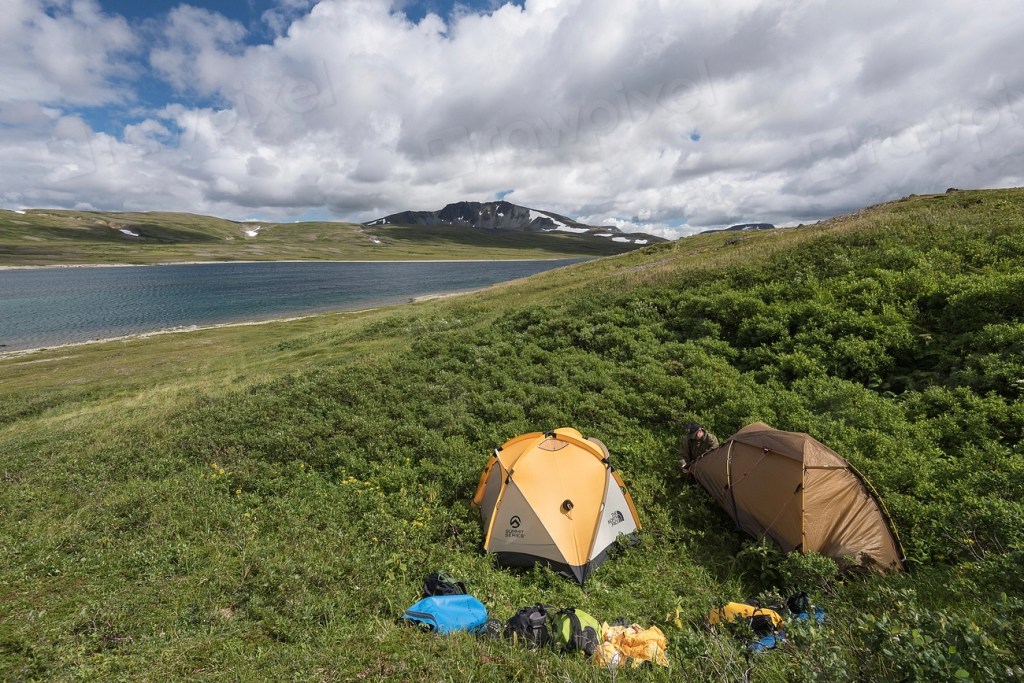
Dispersed camping — camping outside a developed campground, without services — is one of the genuine advantages of the federal public land system, and it operates under real rules.
Where it is allowed
Generally permitted across most national forest and BLM land unless specifically closed or posted otherwise. National parks are the opposite: camping is almost always restricted to designated sites, usually with a permit.
That difference catches people out, and it comes down to the different mandates the agencies operate under.
Duration limits
A stay limit is standard — 14 days within a rolling period is the most common figure, after which you must move a specified distance, often 25 miles, and cannot return for a set number of days.
The limit exists to prevent long-term occupancy of public land. It is enforced most actively in areas that have had problems with it.
Distance requirements
Camping is typically prohibited within a set distance of water sources, developed campgrounds, trailheads and roads, with the specific distances set by the unit.
The water-source setback protects both water quality and wildlife access. In arid country, a camp on the only spring can exclude animals from water entirely.
Vehicles and where you may drive
Motor vehicle use is limited to designated routes on most units, published on a Motor Vehicle Use Map. Driving off a designated route to reach a campsite is often permitted only within a short distance of the road, or not at all.
The MVUM is the controlling document, and it is free. Paper maps and navigation apps are not authoritative.
What you leave
Human waste, fire scars and trash are the three things that close dispersed camping areas. Areas that get closed usually get closed permanently, because reopening requires a decision no one is motivated to make.
This article was researched and drafted with the assistance of AI tools and reviewed, fact-checked and edited by Leonidas Clark before publication. Rules vary by agency and unit; check the managing office before you go.
 The 4x4 Life
Leave a comment