Explainer
Shooting hours look like a simple rule and generate a surprising number of violations. The reason is that almost nobody hunts by the definition actually written down.
The usual construction
A typical rule reads something like “one half hour before sunrise to one half hour after sunset.” The offset varies — some states use different figures, and some use different offsets for different species.
That means legal light generally begins before the sun appears and ends after it disappears. Hunters who treat sunrise itself as the start are losing legal time; those who treat sunset as the end are usually fine, and those who keep going past the offset are not.
Sunrise where, exactly
This is the part that catches people. Sunrise and sunset times vary across a state — meaningfully so in a wide one — and the time in a published table is calculated for a specific location.
Most agencies publish tables by zone or by county for this reason, sometimes with an adjustment figure. A time pulled from a general weather app for the nearest city can be several minutes off for where you are actually sitting.
Several minutes matters when the rule is enforced to the minute.
Species-specific variation
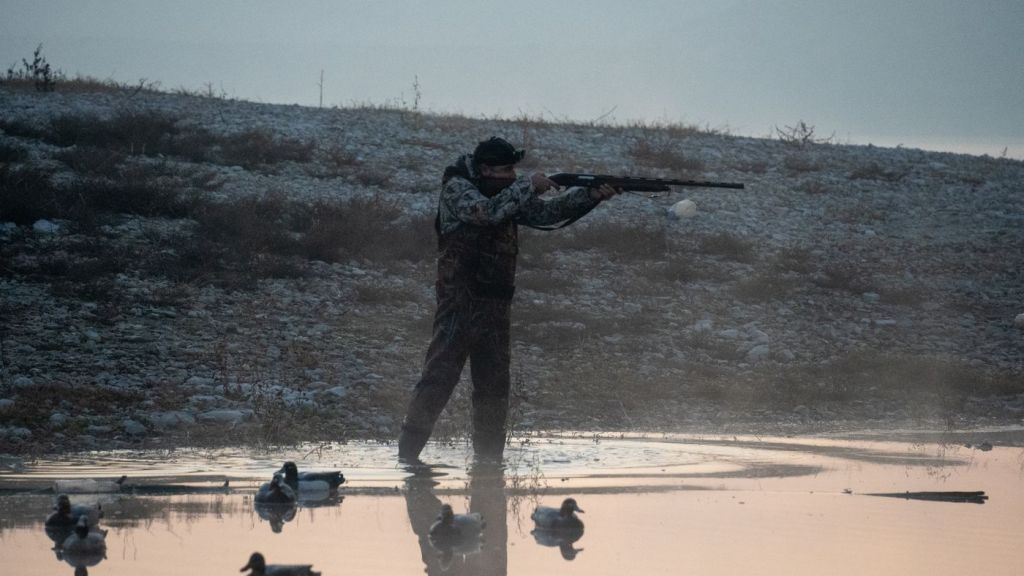
Waterfowl is the common exception. Migratory bird hunting is governed by a federal framework, and its shooting hours are frequently different from the state’s big-game hours.
That difference is a genuine trap on a morning when you are hunting both, and it is worth checking separately rather than assuming one rule governs the day.
Why the offset exists at all
The half-hour window brackets civil twilight — the period when there is usable light without direct sun. It is enough light to identify a target and a backstop.
Which points at the real rule underneath the regulation: if you cannot positively identify what you are shooting at and what is behind it, the legal time is irrelevant. Target identification failures in poor light are a well-documented category of hunting incident, and the clock does not make one safe.
This article was researched and drafted with the assistance of AI tools and reviewed, fact-checked and edited by Leonidas Clark before publication. It is general information, not legal advice. Rules vary by state and unit and change; confirm with the relevant wildlife agency before you hunt.
 The 4x4 Life
Leave a comment