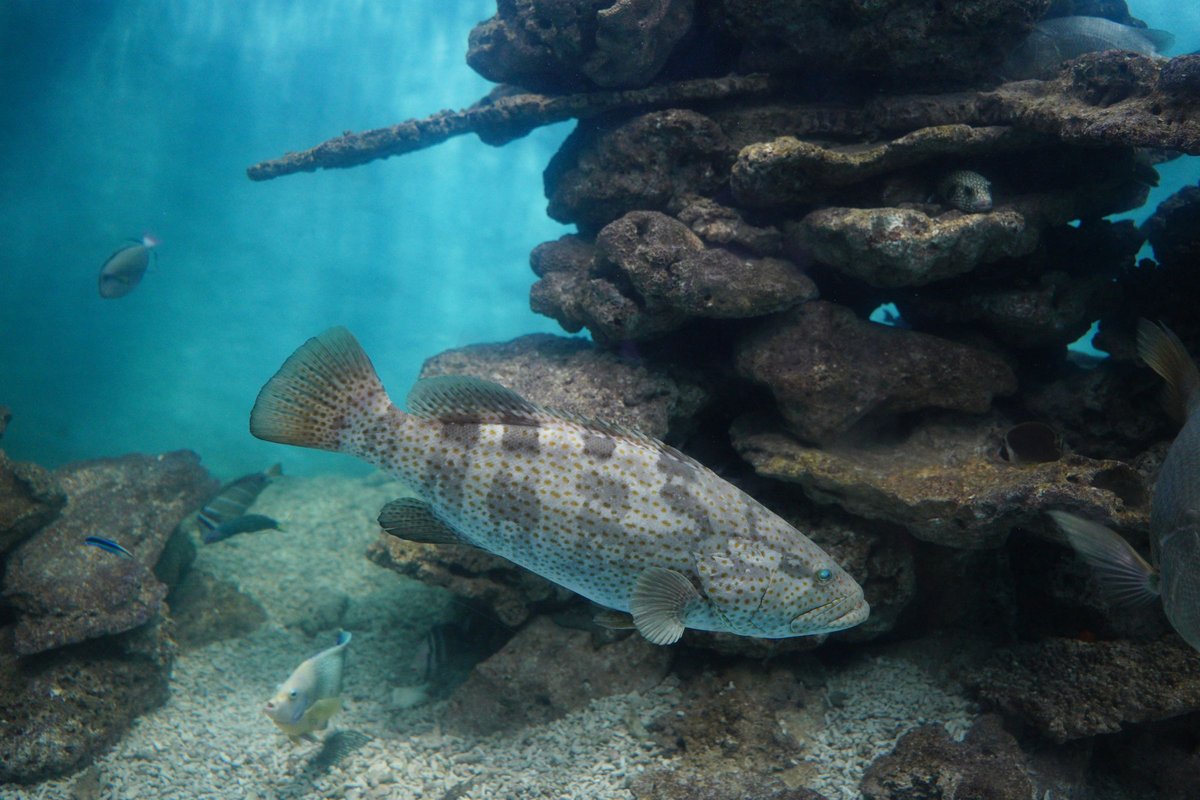
A grouper swimming near a reef. Photo by NGUYỄN THÀNH NHƠN via Pexels.
Starting October 28, a recreational boat fishing South Atlantic federal waters may keep no more than two gag and black grouper combined, however many anglers are aboard. Until now the two species had separate boat limits of two each, which allowed up to four fish.
What changes on October 28
The final rule for Regulatory Amendment 36 to the South Atlantic snapper-grouper plan replaces the species-by-species boat limits with one aggregate limit. Private recreational vessels may keep two gag or black grouper, in any combination, per day. Charter vessels and headboats may keep two per trip.
Under the rules this replaces, gag and black grouper each had their own boat limit of two, still capped by each angler’s one-fish bag. A private boat with four anglers could therefore come back with two gag and two black grouper. After October 28, the same four anglers may keep two fish between them, in any mix of the two species. NOAA describes the old arrangement as allowing up to four fish in total, which is the gap the council set out to close.
What stays the same
The bag limit does not change. Each angler may keep one gag or black grouper combined per day. Under the current bag limit regulation, that fish counts within a three-fish aggregate for grouper and tilefish. On charter vessels and headboats the captain and crew may keep none.
The vessel limit applies only when two or more anglers are aboard, and whichever limit is more restrictive governs. NOAA’s own examples:
- Three anglers on a private boat may land two gag or black grouper combined per day, not three.
- One angler alone on a private boat may still land only one.
Why the two species are counted together
Gag and black grouper look alike, and the rule says recreational anglers misidentify them. Based on the SEDAR 71 assessment completed in 2021, NOAA Fisheries determined that South Atlantic gag is overfished and undergoing overfishing. Amendment 53 in 2023 set the separate boat limits for gag and, because of the misidentification problem, for black grouper too. Gag is now in a rebuilding plan, and the stock is expected to be rebuilt by 2032.
After those limits took effect, the South Atlantic Fishery Management Council asked for a combined limit. It concluded that one aggregate limit would give the stocks more biological benefit if it reduces landings, and could shorten gag’s rebuilding time.
The headboat objection
NOAA received five comments on the proposed rule and made no changes in response. One commenter argued it was unfair to hold headboats carrying 40 or more people to two fish per trip and asked for an exemption. NOAA replied that the aggregate limits increase the biological benefit to both stocks compared with the separate limits.
The commercial piece
The same rule changes how commercial black sea bass fishermen using on-demand, or ropeless, pots may pass through marine protected areas and spawning special management zones. Those pots may now keep their buoys connected during transit if they are not baited. Traditional roped pots still need their buoys disconnected, even on a boat that carries both kinds. The rule leaves the separate seasonal closures for pot fishing in two nearshore areas as they were.
The calendar still matters
A boat limit only applies when the fish is open. Under the seasonal closure regulation, no one may fish for or keep South Atlantic shallow-water grouper in federal waters from January through April. That group includes gag, black grouper, red grouper and scamp. For a vessel holding a federal charter or headboat snapper-grouper permit, that closure follows the boat into state waters too.
State rules can differ inside state waters, a split described in our saltwater rulebook explainer. How bag and boat limits interact is covered in how fishing limits work. South Atlantic red snapper has its own short season, which we covered in the 2026 red snapper season.
Sources
- NOAA Fisheries, Federal Register, Snapper-Grouper Fishery of the South Atlantic; Regulatory Amendment 36 (final rule, September 28, 2026)
- NOAA Fisheries, Regulatory Amendment 36 to the Fishery Management Plan for the Snapper Grouper Fishery of the South Atlantic Region
- eCFR, 50 CFR 622.187, Bag and possession limits
- eCFR, 50 CFR 622.183, Area and seasonal closures
This article was researched and drafted with the assistance of AI tools and reviewed, fact-checked and edited by Leonidas Clark before publication. It is general information, not legal advice. Federal and state rules differ and change; check NOAA Fisheries and your state agency before you fish.