
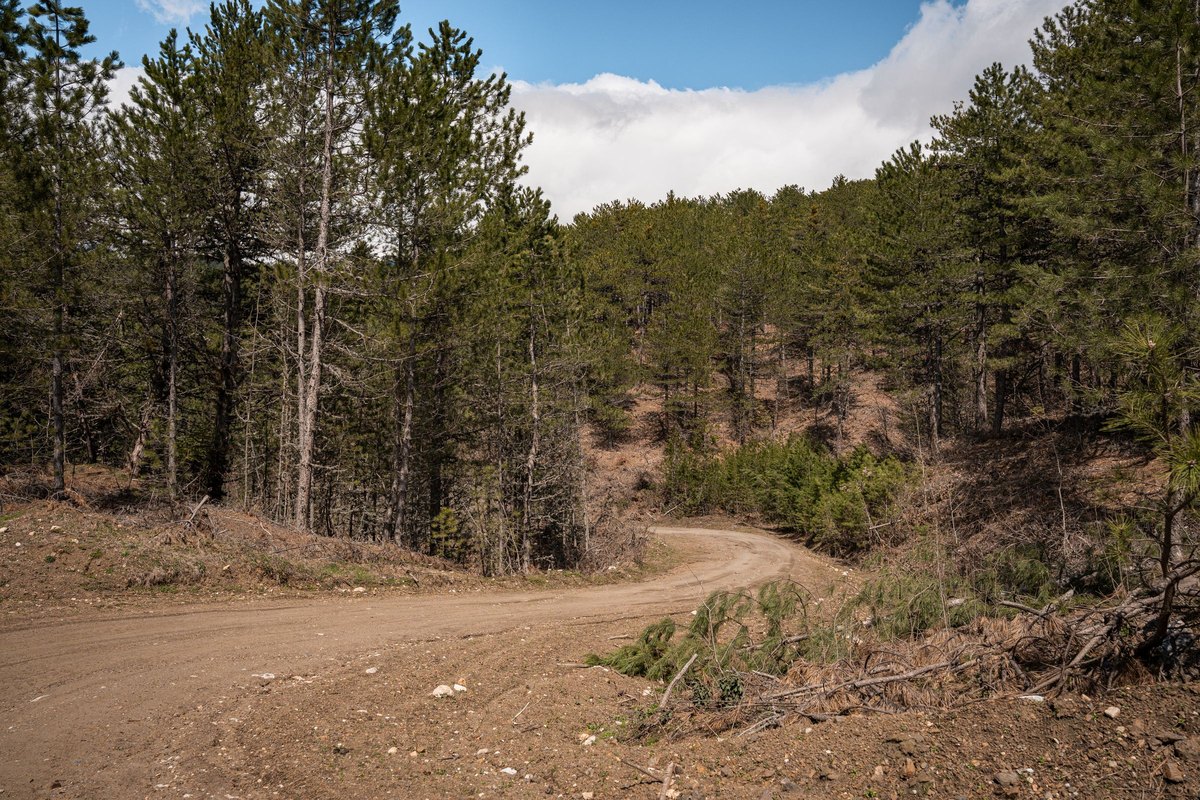
A dirt road winding through a pine forest. Photo by Yasin Onuş via Pexels.
The comment window on USDA’s plan to rewrite Forest Service travel management closed September 23, and more than 134,000 comments are on the docket. Nothing has changed on the ground. The motor vehicle use map that governed a route this summer still governs it this fall.
What drew the comments
The document published August 24 was a notice of intent to prepare an environmental impact statement, the step that comes before a proposed rule. It describes what USDA wants a revised 36 CFR part 212 to do: presume existing roads, trails, airfields and trailheads open unless a documented reason closes them, review closed routes every year, and set up processes for limited off-route use such as downed big-game retrieval, firewood collection and dispersed camping.
The notice ties the effort to Executive Order 14408, signed May 29, 2026, which rescinded the two 1970s executive orders the current Travel Management Rule implemented. We described the proposal itself in July in Forest Service proposes opening forest roads by default.
The count, and who did the counting
The Federal Register lists 134,377 comments received on docket FS-2026-0100, and Regulations.gov showed 134,312 posted as of October 17. Either way, the total is a little over 134,000.
The widely reported figure that more than 99 percent opposed the changes comes from an analysis by the Center for Western Priorities, a nonprofit that also opposes the changes. According to reporting by the Mountain West News Bureau, the group used keyword matching and a large language model to sort the comments.
Supporters filed too. The same report quotes the Wyoming State Snowmobile Association backing local decisions and the proposed annual review of closed routes.
Comments are not ballots
The notice asked for something specific: comments on alternatives, effects, and relevant information, studies or analyses for the environmental impact statement. It also asked commenters to state their concerns and recommendations clearly, with a short plain summary for long submissions. A comment that identifies a route, an effect or a gap in the analysis gives the agency something it has to weigh.
What comes next
USDA says it expects to publish the proposed rule and a draft environmental impact statement in spring 2027, and the final statement, record of decision and final rule in early calendar year 2028. The notice adds that the schedule is subject to change.
The draft statement will analyze a no-action alternative that keeps the current rule. The notice lists other alternatives under consideration, including applying the open presumption only to future decisions, limiting “existing” routes to those in the forest transportation atlas, keeping class 1 e-bikes classified as motor vehicles, and setting different conditions for off-route use and over-snow travel.
The notice says the public will be able to comment again on the proposed rule and draft statement. No separate scoping meetings were planned for this round.
Your map still governs
USDA states that existing motor vehicle use designations and maps remain in effect until they are revised under amended regulations, and that the presumption would not by itself open a closed route. The Forest Service’s travel management page puts it plainly: existing plans and maps will remain in place until updated by local line officers.
Under 36 CFR 261.13, once a forest publishes its map, driving a motor vehicle in a way that does not match those designations is prohibited. According to the notice, all but 6 of the 154 national forest units and 20 grasslands have such maps. If you have never opened yours, start with reading a motor vehicle use map.
Why closures will still happen
Even under the proposal, closures would remain possible where law, valid existing rights or another governing instrument requires them, or where documented reasons involving resource conditions, public safety, conflicts among uses, or maintenance and administrative capacity support them. Those grounds overlap with the reasons routes close today, which we covered in why routes get closed.
Sources
- Federal Register, Travel Management; National Forest System Lands (notice of intent, 2026-17211)
- U.S. Forest Service, Travel Management and Off-Highway Vehicle (OHV) Program
- Regulations.gov, Docket FS-2026-0100: Travel Management; National Forest System Lands
- eCFR, 36 CFR 261.13, Motor vehicle use
- Utah Public Radio (Mountain West News Bureau), Public commenters overwhelmingly oppose letting more motorized vehicles in forests
This article was researched and drafted with the assistance of AI tools and reviewed, fact-checked and edited by Leonidas Clark before publication. Regulations and schedules change; verify current rules with the national forest you plan to visit before you go.