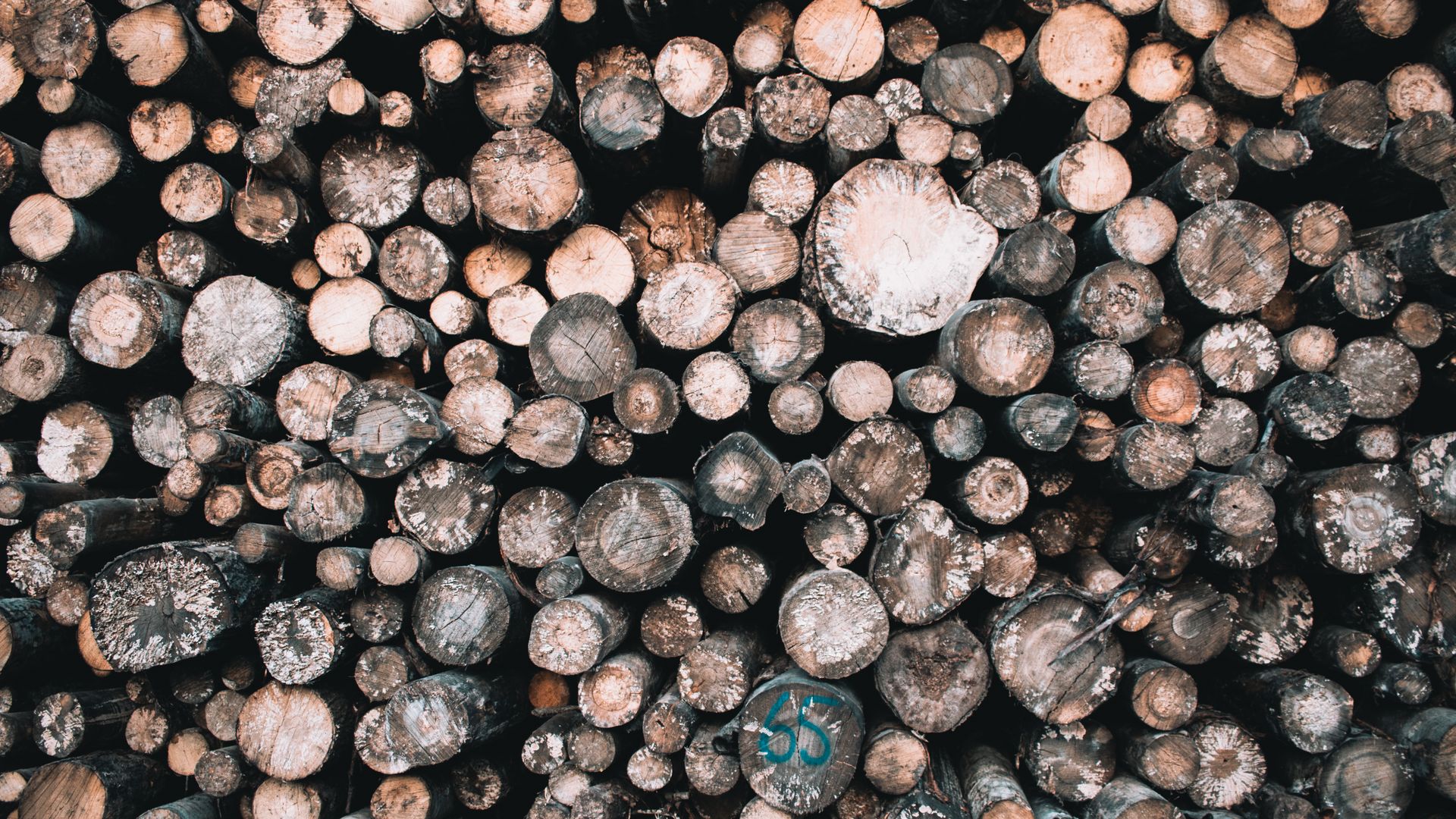
Stacked firewood. Photo by Aleks Magnusson via Pexels.
Hauling a load of firewood from home to a hunting camp or a fall campsite looks harmless, and it saves money. It is also a way for tree-killing insects to reach new forests. The insects are slow travelers on their own, and a truck bed fixes that for them.
Why a short haul is a long trip for a pest
Tree-killing insects and plant diseases can hide inside firewood or on its surface, according to USDA’s Animal and Plant Health Inspection Service. They do not travel far by themselves. Moved in firewood, pests such as spongy moth, Asian longhorned beetle and emerald ash borer can jump hundreds of miles into new areas.
How far is too far
The Nature Conservancy’s Don’t Move Firewood campaign gives a rough rule of thumb: 50 miles is too far, and 10 miles or less is best. Local wood means the closest convenient source, which might be down the road or a state forest in the same county.
Wood that looks clean is not proof
A pile of wood without holes, sawdust or bugs can still carry eggs the size of a pinhead, or fungus spores no one can see, the campaign says. Infestations can take years to be recognized, and trees can look healthy while they are infested. By the time a quarantine is announced, the pest may already have been moved.
Heat-treated is not the same as kiln-dried
If wood has to be moved, APHIS recommends certified heat-treated firewood and advises looking for a state or federal certification mark on the package. The Don’t Move Firewood campaign adds that packaged wood with a USDA APHIS or state heat-treatment seal is generally considered safe to move. A label that only says kiln-dried is a different thing and should not be treated as safe.
Rules, not just advice
Several states keep quarantines that limit how untreated firewood can be moved within or across their borders, according to APHIS. Wisconsin, for example, prohibits bringing firewood onto state parks and other state-managed lands from more than 10 miles away, a rule in effect since June 1, 2014. Wood from state-certified vendors is exempt, and county, federal and private campgrounds may set their own rules.
One federal rule has gone away. APHIS removed its domestic emerald ash borer quarantine in a final rule that took effect January 14, 2021. That ended the federal restriction, not the state ones, and it does not mean moving ash wood is now harmless.
Leftovers stay where they are
APHIS advises burning all the firewood at the site where it was bought and not taking leftovers home or to another site. It also suggests gathering wood on site where the land manager allows it.
The campaign’s answer to a common question is the same. Even wood you plan to burn completely should be local, because a chip of bark with larvae in it can fall off unnoticed, or rain can wash spores out of a truck bed.
Before you light it
Firewood rules sit alongside fire rules. APHIS also reminds campers to check for burn bans before a trip, and our piece on fire restriction stages explains what each level allows. The idea behind firewood rules is the same one behind clean, drain, dry for boats. People carry pests much farther and faster than the pests could ever move themselves.
Sources
- USDA APHIS, USDA Reminds Public to Help Protect America’s Trees: Buy Firewood Where You Burn It
- USDA APHIS, Buy Firewood Where You Burn It
- USDA APHIS, Emerald Ash Borer
- Don’t Move Firewood (The Nature Conservancy), Frequently Asked Questions
- Wisconsin DNR, Firewood rules and resources
This article was researched and drafted with the assistance of AI tools and reviewed, fact-checked and edited by Leonidas Clark before publication. Rules vary by agency and unit; check the managing office before you go.