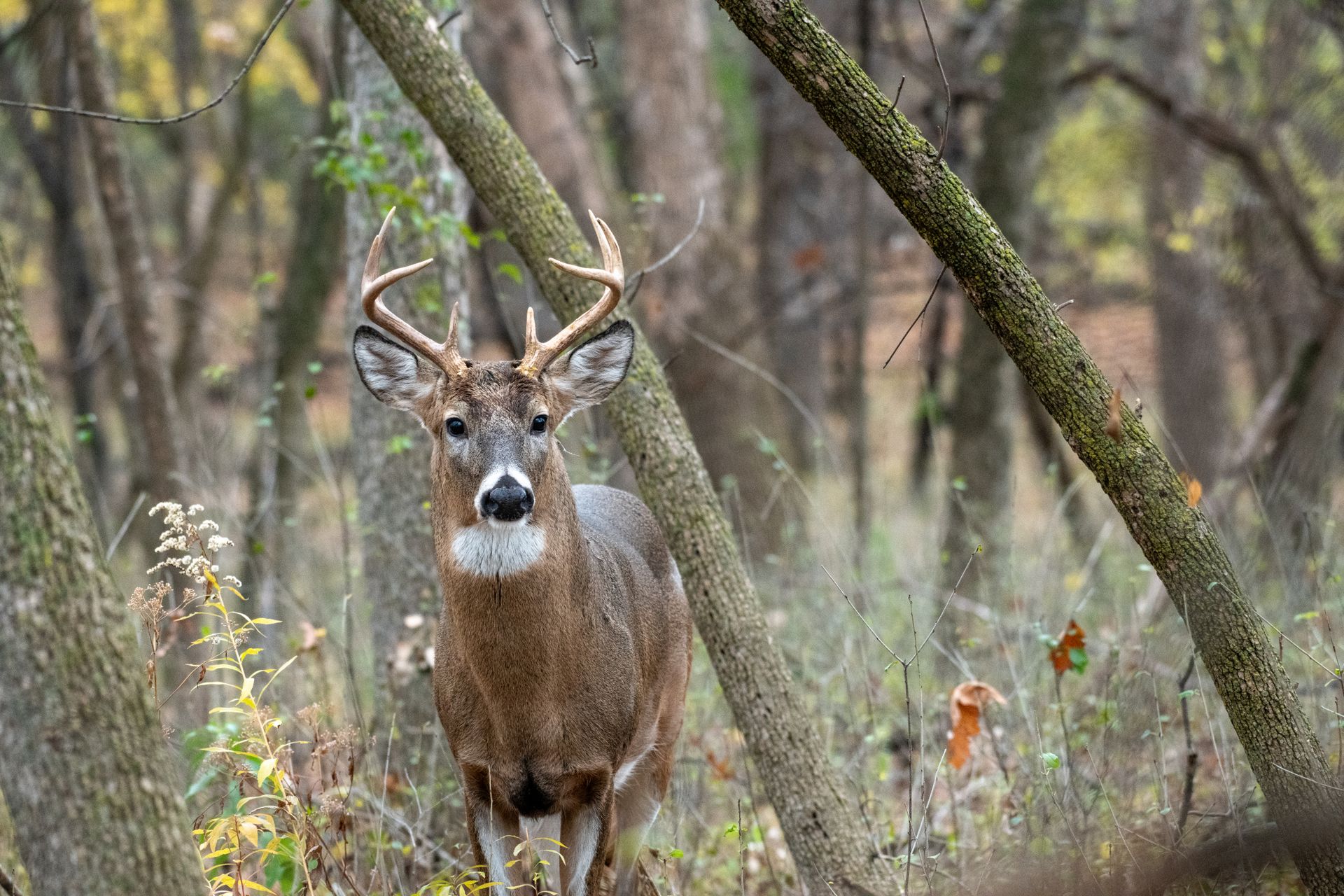
A whitetail buck in autumn cover. Photo by Andrew Patrick Photo via Pexels.
Every fall, hunters who saw deer on the same field edge all September sit through a week in mid-October and see almost nothing. The usual explanation is the October lull: a stretch when deer, and bucks especially, supposedly stop moving before the rut. The research does not support that, and what it shows instead is more useful in a stand.
What the collar data shows
The National Deer Association reviewed several GPS-collar studies of adult bucks and found the same thing in each: average daily movement climbed steadily through the pre-rut and into the peak of the rut. None showed a mid-October slump. A Pennsylvania study tracking mature bucks at 15-minute intervals from October through December found nothing unusual about October either. The deer are still moving, just somewhere else and at different times.
Why sightings drop anyway
Several things change at once in October, and any one of them is enough to empty a stand that worked in September.
- Food shifts. When acorns start dropping, deer can feed in the timber without walking to a field. A soybean field that turned yellow, or a crop that was harvested, stops pulling deer into the open.
- Pressure builds. Archery openers put people in the woods, and deer respond to the scent, noise and trails hunters leave behind by moving less in daylight near those places.
- Cover changes. Leaf drop opens up the woods, and deer move to thicker bedding cover as it does.
- Warm spells. Early October is often still warm across much of the whitetail range, and deer move less in daytime heat.
The hunter who sits the same stand on October 15 that worked on October 1 is hunting where the deer were, not where they are.
Acorns decide a lot
In oak country, the mast crop shapes October more than anything else. Deer will pick white oak acorns over red oak acorns when both are falling, because they are less bitter.
Mast production varies a great deal from tree to tree and year to year. A ridge covered in acorns last fall can be bare this one, so check the trees this year instead of going by last year’s notes.
Rubs and scrapes mark the transition
Shortening daylight, not the moon or the weather, drives the hormonal changes that lead to breeding. The NDA’s summary of rut triggers describes the sequence: velvet comes off, then sparring, rubbing and scraping, then breeding. In the South, genetics and herd makeup shift the exact timing, which is why peak breeding ranges from October to February depending on the region.
Scraping picks up through October and peaks shortly before peak breeding. The catch is that most scrape visits happen after dark. The NDA’s guide to rubs and scrapes points to setting up between active scrapes and bedding cover rather than over the scrape itself, to catch a buck traveling at first or last light.
Wind, thermals and the walk in
A stand in the right spot fails if deer smell you on the way to it. Morning sun warms the ground and pulls air uphill. In the evening, cooling air sinks and drains downhill and down creek bottoms. A ridge-top evening sit above bedding can push your scent straight into it, even with a steady breeze from the right direction.
Thermals matter most in hill country and river bottoms, and at the start and end of a sit, when the temperature changes fastest. A stiff prevailing wind can override them.
The access route counts as much as the stand. Walking in through a bedding area or across a food source deer will use that evening spoils the setup before you climb.
Stand placement for mid-October
For mid-October, move tighter. Instead of watching a big field, hunt the routes between bedding cover and the food deer are actually using now: a producing oak, a staging area just inside the timber from a field, or a pinch point in the terrain. Low-impact sits, on a good wind and with clean access, beat hunting the same tree every day.
Hanging and climbing new stands in a hurry is also when people get hurt. The same rules covered in our piece on treestand falls apply: stay attached from the ground up, and raise gear on a haul line.
Calling, rattling and cold fronts
Calling and rattling get more useful as October goes on. Early in the month, light contact grunts and soft tickling of antlers fit what bucks are actually doing, which is sparring rather than fighting. Loud, long rattling sequences match the fighting that comes closer to the rut, and they tend to work better late in the month. Call sparingly.
Cold fronts are the change many hunters plan around. A sharp temperature drop after a warm spell often gets deer on their feet in daylight, and most experienced hunters will save their best stands for the first cool evenings after a front. The research on weather and deer movement is mixed, though, and a front does not guarantee anything.
Season dates, weapon rules and legal hours vary by state and unit, and October often spans more than one season. Check the current digest for the state and unit you are hunting.
Sources
- National Deer Association, 3 Studies, 3 Strikes for the October Lull
- National Deer Association, Is the “Lockdown Phase” a Myth?
- National Deer Association, What Triggers the Whitetail Rut?
- National Deer Association, A Guide to Rubs and Scrapes
This article was researched and drafted with the assistance of AI tools and reviewed, fact-checked and edited by Leonidas Clark before publication. Hunting regulations vary by state, unit and season; read the current digest before you hunt.