The Fish and Wildlife Service has issued corrections to the rule that opened or expanded hunting on 111 field stations for the 2026–2027 seasons. The corrections took effect on September 25.
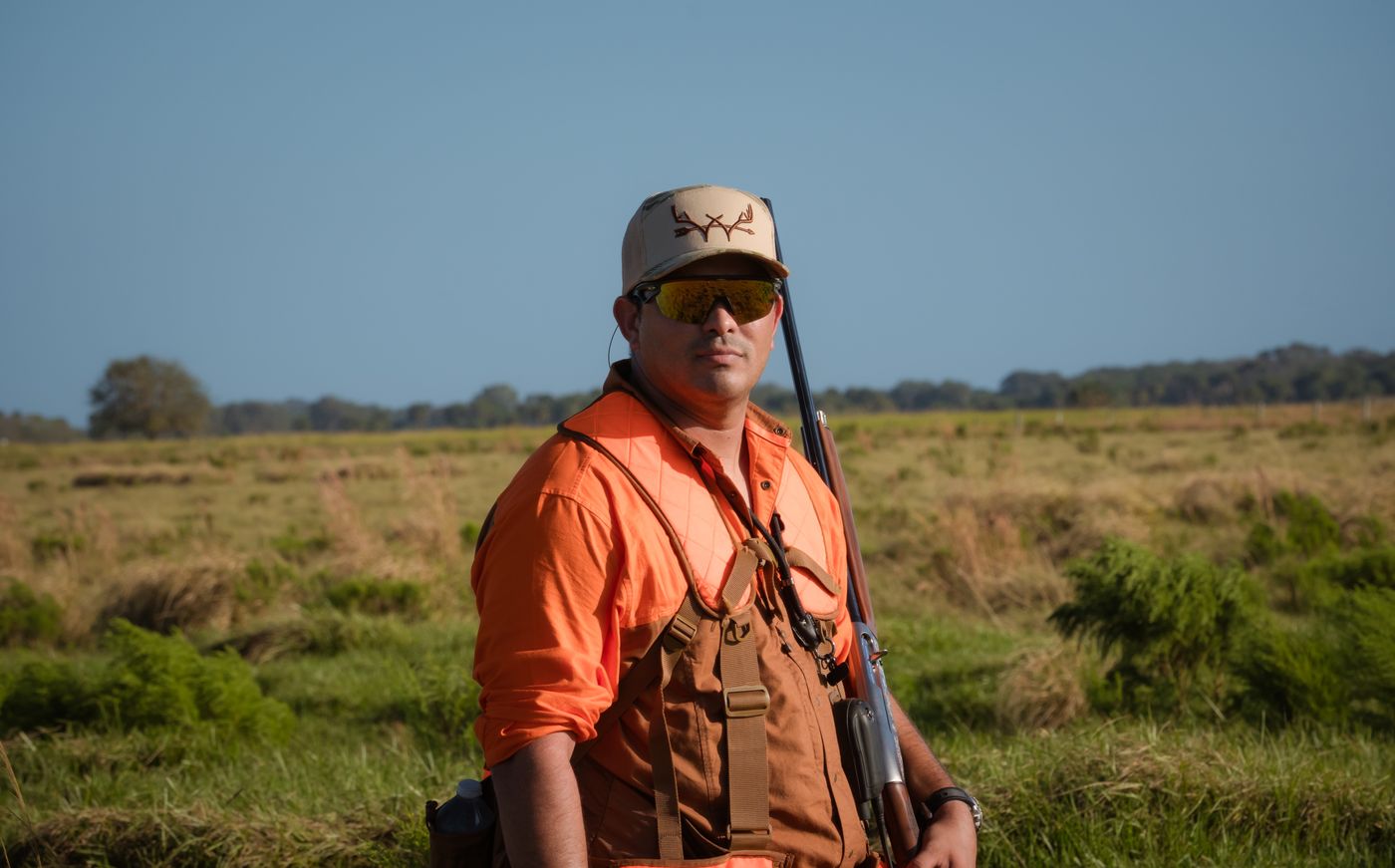
A hunter in blaze orange. Photo via Pexels.
The correcting amendments revise the final rule published on September 1, which covered 107 units of the National Wildlife Refuge System and four National Fish Hatchery System units. We wrote about that rule when it landed, in our piece on the 2026–2027 refuge openings.
Why a correction matters more here than elsewhere
Refuge hunting rules are unusually unforgiving of small errors, because they are written station by station and often turn on a single line: which species, which dates, which sub-unit, which method.
A regulation that says the wrong thing about one refuge is not a typo in the way a misspelled place name would be. It is the operative text a hunter reads before going out, and a warden on that refuge enforces the text as corrected, not the version that was published first.
Anyone who downloaded the September 1 rule, printed the page for their station, and filed it with their maps is now carrying a document that has been amended underneath them.
What to do about it
Go back to the Federal Register version rather than your saved copy. The document page there carries a notice when a later document corrects it, which is precisely the signal a printout cannot give you.
Then find your station in the current text and read the conditions attached to it, not just the line saying hunting is permitted. Refuge conditions routinely cover access hours, parking, motorized travel, dogs, stands left overnight and ammunition type — and none of those appear in a summary that says a refuge is open.
If the station you hunt is one of the fourteen refuges or three hatcheries opening for the first time, read it twice. New openings carry the most conditions, because the station is describing a permission that did not exist before rather than adjusting one that did.
The layer people forget
Refuge regulations sit on top of state law. They do not replace it.
You still need the state license, the state tags, and compliance with the state season and bag limits. The refuge rules then narrow that further — and they only ever narrow. A refuge cannot give you a longer season than the state allows, but it can and frequently does give you a shorter one, a smaller area, or a method restriction the state does not impose.
This is the same structure we describe in our guide to reading a state hunting digest, with one more layer on top. Work from the bottom up: state first, then the station.
How station-specific rulemaking works
The Service does this once a year, and the structure is worth understanding because it explains why the document is so long and so oddly organized.
Each refuge and hatchery is a separate entry in the regulations. Opening a station to a new species, or changing a condition on an existing opening, requires amending that station’s entry through notice-and-comment rulemaking. There is no mechanism for a refuge manager to simply announce a change — it goes through the Federal Register or it does not happen.
That is slower than a state agency adjusting a season, and it is the reason refuge rules tend to lag state rules rather than track them. It is also why corrections like this one exist: a single annual rule covering 111 stations is a large document assembled from many small pieces, and pieces occasionally land wrong.
Reading a station entry
The entries follow a standard shape, which makes them quicker to read once you recognize it.
First comes a list of what is permitted: migratory game bird hunting, upland game hunting, big game hunting, sport fishing, or some subset. Then a numbered list of conditions specific to that station.
The conditions are where the actual rules live, and they are frequently more restrictive than anything in the state digest. Common ones include a requirement to obtain a refuge permit in addition to the state license, restrictions on entry before a stated hour, prohibitions on leaving stands or blinds overnight, limits on where vehicles may go, non-lead ammunition requirements, and closures of sub-areas that appear open on a map.
A permission line without its conditions tells you almost nothing. If you read only one part of the entry, read the numbered list.
Where the current text lives
The correcting amendments are published as National Wildlife Refuge System; 2026–2027 Station-Specific Hunting and Sport Fishing Regulations; Correction, document 2026-19723. The underlying rule is the September 1 final rule.
Individual refuges also publish their own hunting brochures and maps, which are usually clearer than the Federal Register text and are the practical document to carry. Where the brochure and the rule differ, the rule is what governs.
This article was researched and drafted with the assistance of AI tools and reviewed, fact-checked and edited by Leonidas Clark before publication. Refuge regulations are station-specific and change; confirm the current rules for the station you are hunting before you go.