
The federal government is proposing to rescind the rule that has kept roads out of 58.5 million acres of national forest for a quarter century, and the deadline to say anything about it just moved to October 6.
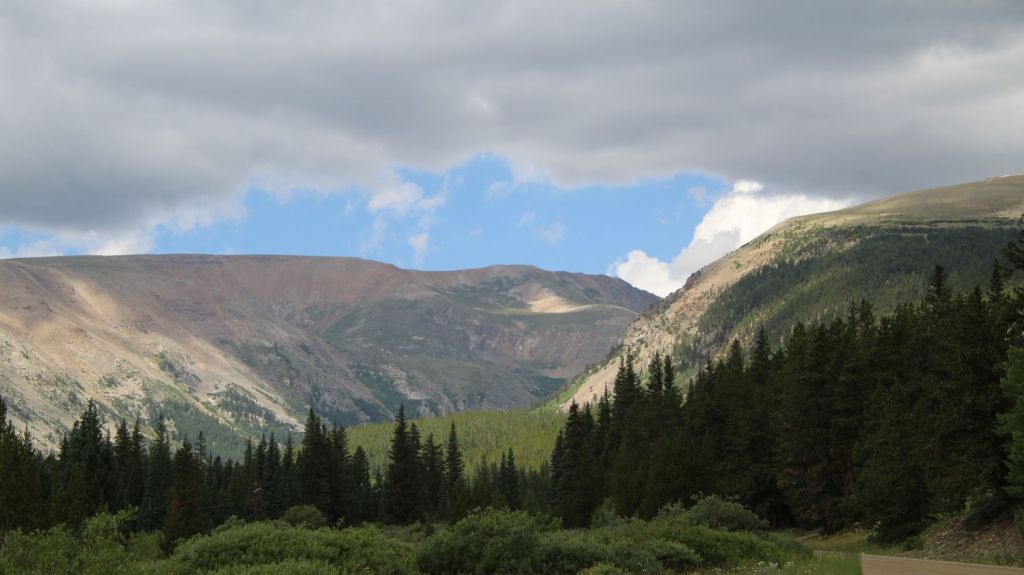
A forested mountain valley under cloud. Photo via Pexels.
The U.S. Department of Agriculture published the proposed rescission of the 2001 Roadless Area Conservation Rule on August 20. On September 11 it extended the comment period by 15 days, moving the close from September 21 to October 6. More than 142,000 comments had already been filed.
What the 2001 rule actually does
This is the part most coverage gets wrong, and it matters more to anyone who drives or hunts these places than the headline does.
The 2001 Roadless Rule, at 36 CFR part 294 Subpart B, prohibits three things inside inventoried roadless areas: road construction, road reconstruction, and the cutting, sale or removal of timber. That is the whole of it. The rule’s own text described its exceptions as expected to be infrequent.
What it does not do is close anything to the public. It does not prohibit motorized use, it does not shut existing roads or trails, and it says nothing about whether you can ride a route that is already there. Those questions are answered by travel management planning and by each forest’s motor vehicle use map, which are a separate body of regulation entirely. The proposed rescission does not mention motorized use anywhere in its text.
So the rule is about whether new roads get built and whether timber comes out — not about who may travel on what exists today.
What the USDA says would change
The proposal would remove and reserve Subpart B, returning management of inventoried roadless areas to the land management plan for each individual national forest. The Department frames this as reducing regulatory burden and moving decisions to local Forest Service officials, under the planning framework the National Forest Management Act already requires.
The Department is explicit that the rescission by itself authorizes nothing on the ground. In its words, the proposal does not mandate timber cutting or road construction, and it does not approve any specific project. Anything that followed would go through the ordinary planning and environmental review the agency applies to any project.
Its own analysis puts numbers on what becomes possible. About 18.2 million acres — 45.5 percent of the affected land — sit where current forest plans would allow roads but the Roadless Rule currently prohibits them. About 11.3 million acres lie within half a mile of an existing road, where the agency thinks temporary roads are most likely. About 4.8 million acres, or 16 percent of forested roadless area, meet the conditions for commercial timber harvest. And 9.8 million acres overlap the wildland-urban interface, where the agency argues strategically placed roads could improve wildfire suppression near communities.
The recreation tradeoff, in the agency’s own words
The draft analysis does not claim this is free for people who use these places, which is worth noting given how these proposals usually read.
It acknowledges temporary impacts including noise, visible infrastructure and closures, and says that in the longer term road-based recreation could expand through new permanent roads — while describing that expansion as uncertain and likely limited by plans, budgets and staffing.
Then it states the cost plainly: expanded road access “would result in tradeoffs with opportunities for quiet, remote and self-reliant recreation and may increase user conflicts and result in lost economic benefits.” It estimates those losses to recreationists at roughly $6.1 million annually.
For backcountry hunters that tradeoff is the whole argument. Roadless country is valued precisely because it is hard to reach — game that is not pressured from a road behaves differently, and the effort of getting in is what produces the hunting. More roads is more access and also less of the thing the access is for.
Idaho and Colorado are not affected
Two states negotiated their own roadless rules and both survive this proposal untouched. Idaho’s rule sits at 36 CFR part 294 Subpart C and Colorado’s at Subpart D, each created in response to a state petition, and the USDA says both remain in effect.
Alaska is a separate story again. Executive Order 14153 directed the Secretary of Agriculture to reinstate the 2020 Alaska Roadless Rule, which exempted the Tongass National Forest from the 2001 rule.
If you hunt or drive in Idaho or Colorado, the practical answer is that your state rule governs and this rescission does not reach it.
Why this has taken 25 years
The 2001 rule has been in litigation for most of its life, enjoined and reinstated more than once. A 2005 replacement known as the State Petitions Rule was set aside by the U.S. District Court for the Northern District of California in 2006, which reinstated the 2001 rule, and the Ninth Circuit affirmed.
The published Code of Federal Regulations text still carries the State Petitions Rule language, never amended to reflect that history — which is a small illustration of how tangled this has become, and a reason to read the current rule rather than the printed code.
Whatever USDA finalizes will almost certainly be litigated too. That is the pattern here, and it means a final rule is the start of the next phase rather than the end of this one.
How to comment, and what lands
Comments close October 6, 2026, through the docket linked from the Federal Register notice. The proposal was published alongside a draft environmental impact statement and a cost-benefit analysis, and comments may address any of the three.
With 142,000 comments already filed, another vote of support or opposition adds nothing the agency has to answer. What carries weight is a substantive point the agency must respond to on the record: a specific roadless area you know, what would change there, an assumption in the analysis you can show is wrong, or a consequence the draft EIS has not addressed.
Personal knowledge of a specific place is evidence, and it is the one thing the public can supply that the agency cannot generate for itself. A short comment naming a unit and a concrete effect beats pages of general argument.
This article was researched and drafted with the assistance of AI tools and reviewed, fact-checked and edited by Leonidas Clark before publication. Comment deadlines and rules change; confirm current status with the Federal Register before relying on it.
 The 4x4 Life