
Explainer
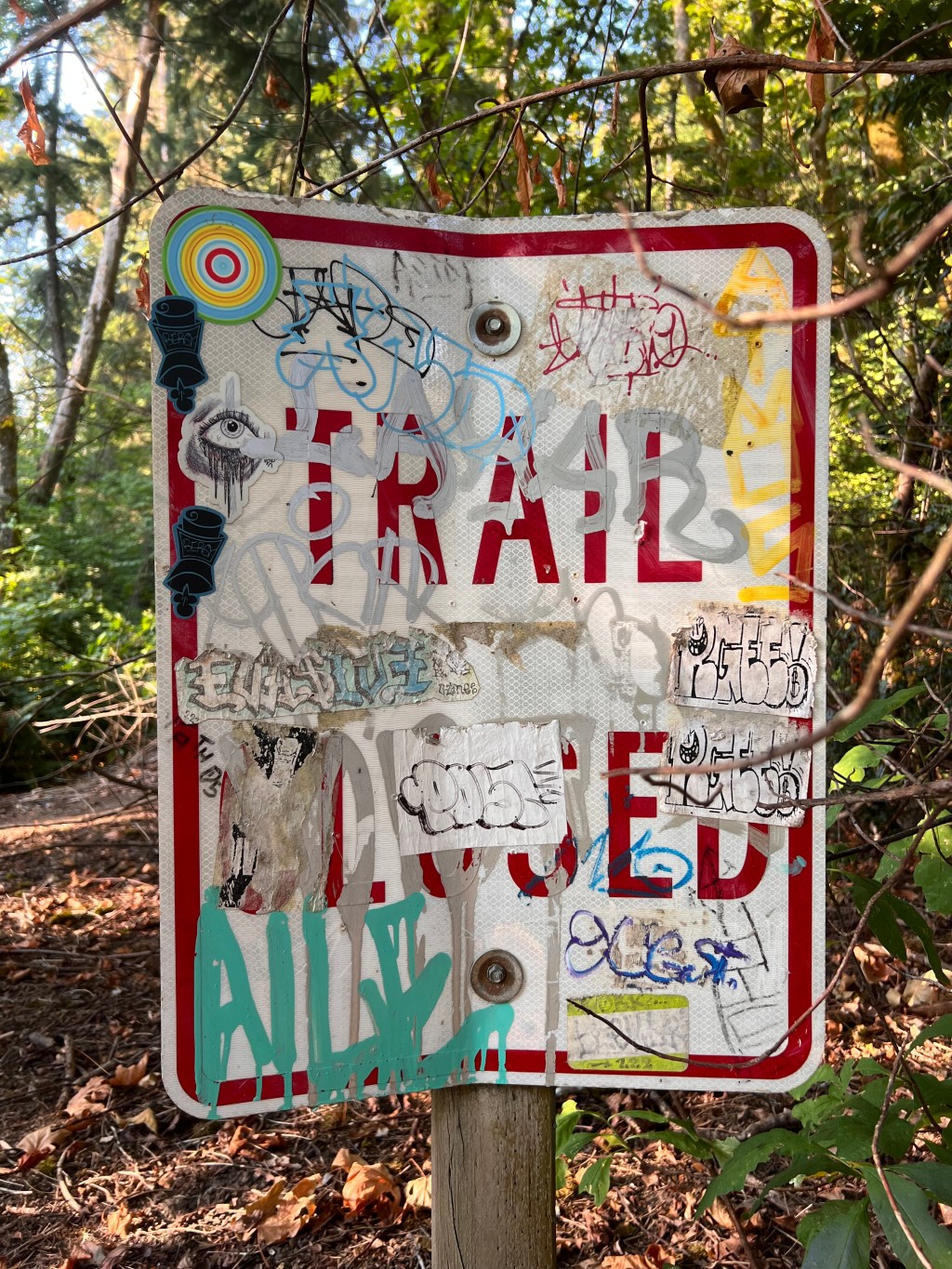
A closed sign on a trail can represent several quite different legal instruments, and the difference determines how long it lasts and what recourse exists.
Emergency and temporary closures
Issued by a local official — a forest supervisor, district ranger or park superintendent — for fire, flood, storm damage, hazard trees, an active search or wildlife conflict.
These can be issued immediately, without public comment, and they are the most common kind. Duration is usually defined, often a season or until conditions change.
Seasonal closures
Recurring and scheduled: winter road closures, wildlife closures over calving or winter range, raptor nesting closures on cliffs, mud-season closures to protect trail tread.
Published in advance, and consistent year to year.
Administrative and long-term closures
Changing what a route is designated for — closing it to motor vehicles, or decommissioning it — is a management decision rather than an emergency measure, and it normally requires environmental review and public comment before it takes effect.
This is where the public actually has a say. Comment periods are announced, they are open to anyone, and the record built during them is what a decision has to respond to. It is also the process our reporting has tracked being compressed at several federal agencies this year.
Why a closed trail is closed
Hazard trees after fire, unstable tread, a damaged bridge, contaminated ground, an animal with a den near the corridor, or active operations.
Some of those are visible from the trailhead and some are not, and the ones that are not tend to be the serious ones.
The consequence
Entering a closed area is a violation with a citation attached, and it complicates rescue if something goes wrong, because responders are then entering the same hazard.
Route closures are published by the managing unit, usually online, and they change during the season.
This article was researched and drafted with the assistance of AI tools and reviewed, fact-checked and edited by Leonidas Clark before publication. Rules vary by agency and unit; check the managing office before you go.
 The 4x4 Life
Leave a comment