Explainer
In much of the West, food storage is governed by a written order issued by the managing agency. It is enforceable, it is specific, and violating it carries a citation.
What the order usually requires
Food, garbage and anything with an odour — toiletries, sunscreen, cooking gear, pet food — stored in a hard-sided vehicle, a provided food locker, or an approved bear-resistant container.
Approved containers are tested and listed. A cooler with a strap is not an approved container, and neither is a stuff sack.
Hanging food from a tree is accepted in some areas and explicitly not accepted in others, generally because local bears have learned to defeat hangs.
Why the rule is strict
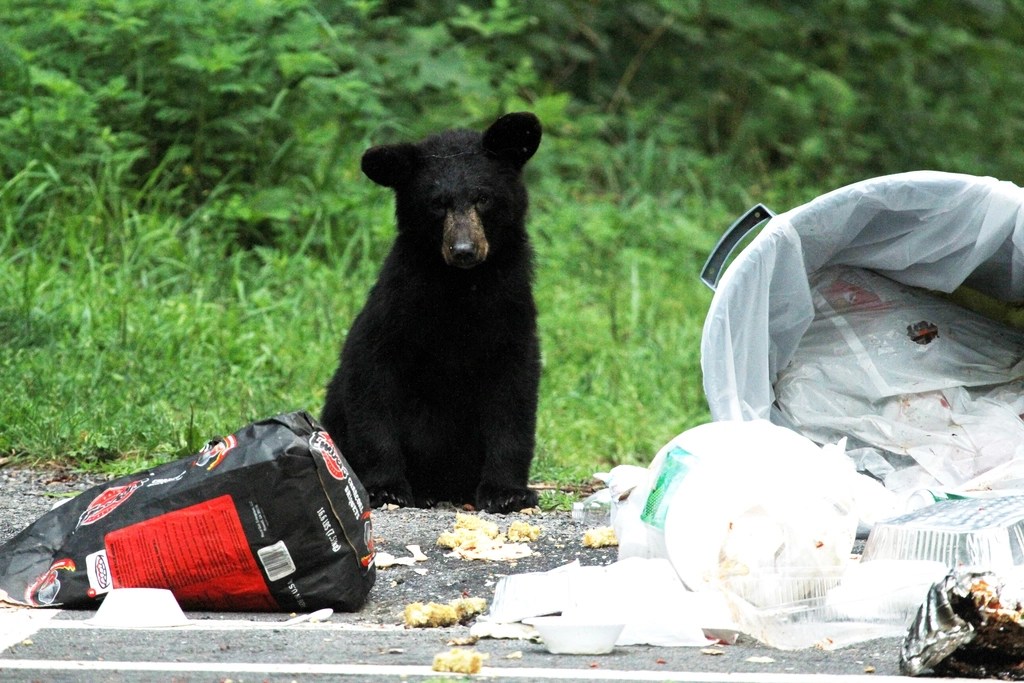
A bear that gets human food once will look for it again, and the behaviour escalates: approaching camps, then entering them, then damaging vehicles and structures.
Once a bear reaches that stage, relocation usually fails and the animal is destroyed. That is the outcome the order exists to prevent, and it is why enforcement is not discretionary in the way other camping rules sometimes are.
The parts people get wrong
The order applies during the day, not only overnight. An unattended cooler at a picnic table at noon is a violation.
It applies to a full vehicle in some areas — in places with a history of bears breaking into cars, a hard-sided vehicle may not be an approved location, and only a locker will do.
And it applies to empty containers and wrappers. Odour is the trigger, not contents.
Beyond bears
The same discipline matters where the animals are smaller. Rodents chew through packs and gear, and in some regions they carry disease. Food storage is a habit, not a bear-specific procedure.
This article was researched and drafted with the assistance of AI tools and reviewed, fact-checked and edited by Leonidas Clark before publication. Rules vary by agency and unit; check the managing office before you go.
 The 4x4 Life
Leave a comment