Explainer
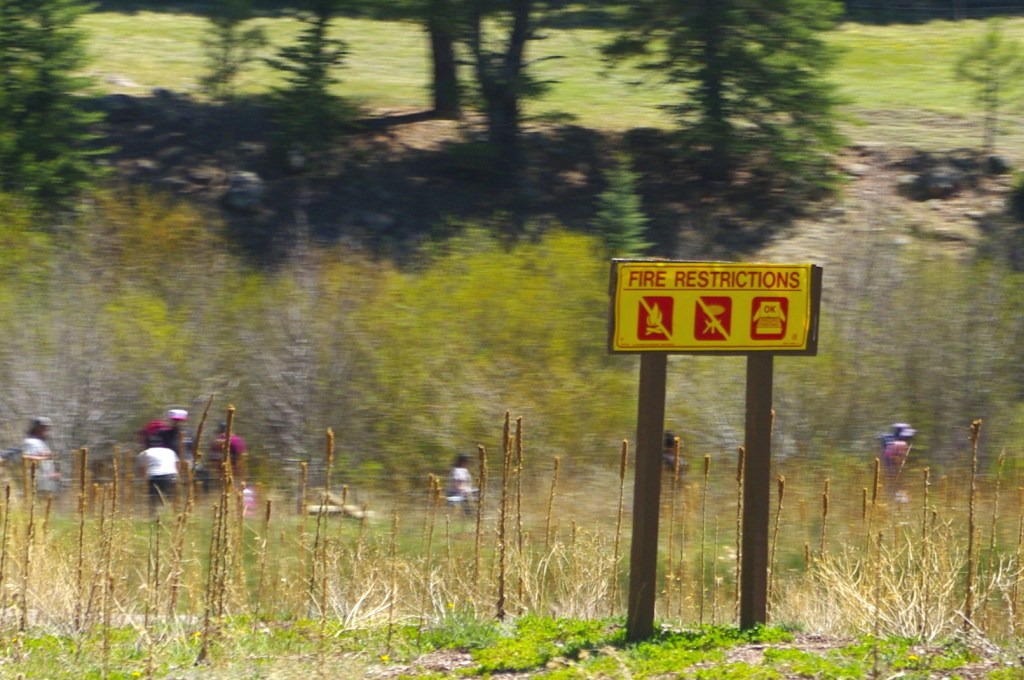
Fire restrictions on federal land are not a general warning to be careful. They are orders with specific prohibitions, and they are enforceable.
Stage 1
Typically prohibits building, maintaining or using a fire outside a developed recreation site with an agency-provided fire ring. Smoking is restricted to enclosed vehicles, buildings or cleared areas.
Stoves and lanterns using pressurised liquid or gas fuel are usually still permitted, because they can be shut off instantly.
Stage 2
Extends the prohibition to all campfires, including at developed sites, and generally to charcoal. Restrictions on operating internal combustion engines, welding and using chainsaws are common, often with a time window — no such work between certain hours.
Pressurised-fuel stoves usually remain legal even at Stage 2, which surprises people who assume all cooking is banned.
Area closure
The strongest measure: entry to a defined area is prohibited entirely, roads and trails included. This is issued under closure authority, not fire restriction authority, and violating it is a separate offence.
Why the stages differ between adjacent units
Restrictions are issued by the local managing unit, based on fuel moisture, energy release component, resource availability and fire activity — not by a national switch.
So a national forest can sit at Stage 2 while the BLM land across the road is unrestricted, and both decisions can be correct. Checking the specific unit is the only reliable approach.
Vehicle rules people miss
Many restrictions require an approved spark arrester on off-highway vehicles and chainsaws, and require a shovel and fire extinguisher carried in the vehicle. Parking on dry grass is frequently prohibited because catalytic converters ignite it.
That last one causes real fires. It is not a technicality.
This article was researched and drafted with the assistance of AI tools and reviewed, fact-checked and edited by Leonidas Clark before publication. Rules vary by agency and unit; check the managing office before you go.
 The 4x4 Life
Leave a comment