West Virginia has widened the range of weapons that may be used for bear and turkey in four southern counties, in a package of changes the Division of Natural Resources published for the 2026–2027 seasons.
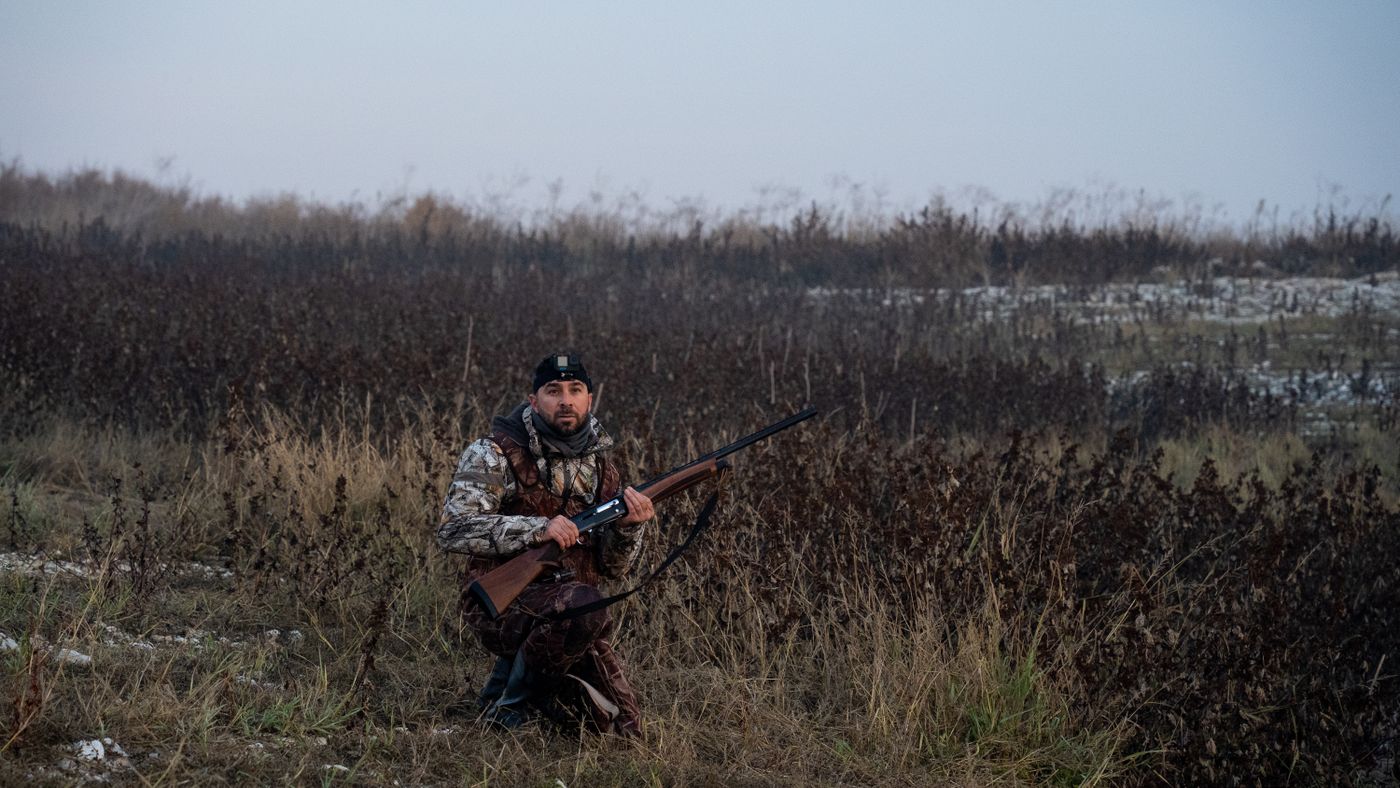
A hunter kneeling in tall grass holding a shotgun. Photo via Pexels.
In Logan, McDowell, Mingo and Wyoming counties, bear and turkey may now be taken with any weapon that is legally permitted during the statewide Mountaineer Heritage Season.
What that changes
The Mountaineer Heritage Season is West Virginia’s primitive-weapons season, and it carries its own list of what is legal to carry. Extending that list to bear and turkey in those four counties means hunters there are working from the heritage-season weapon rules rather than the general ones.
The DNR’s wording is deliberately framed by reference — “any weapons that are legally permitted during the statewide Mountaineer Heritage Season” — rather than by listing weapons in the announcement. That matters practically: the operative list lives in the regulations summary, and reading the announcement alone will not tell you what you may carry.
If you hunt those four counties, the weapon list is the page to check, not the headline.
Youth and Class Q hunters get an antlered deer
The second substantive change: youth hunters and Class Q permit holders may now take one antlered deer during the special split youth and Class Q seasons.
Those seasons previously did not extend to antlered animals in that form. It is a modest change on paper and a significant one in practice for a young or permit-holding hunter, because it makes the split season a genuine opportunity rather than an antlerless-only outing.
Dates and open counties moved
The DNR also adjusted big and small game season dates and the designated open counties. It has not characterized those as minor.
This is the change most likely to catch an experienced hunter out, precisely because experience is the problem — a season that has opened the same week for years is exactly the kind of thing nobody re-checks. Open-county designations shift for population management reasons and are revisited annually.
“Hunting and trapping are a vital part of our state’s heritage and these updated regulations are designed to sustain both our wildlife populations and our outdoor traditions,” said WVDNR Director Brett McMillion, encouraging hunters to review the summary and buy licenses early.
The pattern this fits
West Virginia is the fourth state whose 2026 deer and big-game rules we have covered, and the four have moved in noticeably different directions.
Missouri simplified by deleting a management zone and dropping antler-point restrictions. North Carolina added targeted early seasons inside CWD counties. Michigan removed a geographic firearms restriction outright. West Virginia has widened weapon options in four counties and opened an antlered opportunity to youth and Class Q hunters.
The common thread is not deregulation. It is that state wildlife agencies are making more county-level and category-level distinctions than they used to, which means the answer to “what can I hunt with” increasingly depends on exactly where you are standing.
Where to check
The 2026–2027 summary is available at WVdnr.gov/hunting-regulations. Printed copies are at license agents, district offices, the operations center in Elkins and headquarters in Charleston.
The full announcement is on the WVDNR newsroom.
Reading a regulation change by reference
The DNR’s drafting choice here — defining the new county rules by pointing at another season’s weapon list rather than restating it — is common in wildlife regulation and worth knowing how to handle.
Rules written by reference stay internally consistent: change the Mountaineer Heritage Season weapon list once and every provision pointing at it updates automatically. The cost is that the reader has to follow the reference, and the referenced list can change in a year when the provision pointing at it does not.
Practically, that means the question “what may I carry in Logan County for bear” cannot be answered from the announcement. It requires the current Mountaineer Heritage Season weapon list, for the current season, read in full — including any caliber, ignition or action conditions attached to individual entries on it.
The changes that do not get announced
Season date and open-county adjustments are the least publicized changes an agency makes and the most likely to catch a hunter who knows the area well.
Nothing about them is hidden — they are published in the summary like everything else. The problem is that they do not read as news, so they do not get repeated, and an experienced hunter has no prompt to check a date they have known for a decade.
The habit that catches them is reading the agency’s own list of changes at the front of the summary each year, which most states publish and which takes a few minutes. Then confirming the specific dates and county status for the unit you hunt, rather than for the state.
Buying the license early, as the Director suggests, has a practical benefit beyond avoiding queues: the purchase process is where many states surface the permits, stamps and validations attached to a particular season, and finding out about one in August is considerably easier than finding out about it on opening morning.
This article was researched and drafted with the assistance of AI tools and reviewed, fact-checked and edited by Leonidas Clark before publication. Season dates and legal weapons vary by county; confirm in the WVDNR regulations summary before you hunt.