About 1,050 youth ATVs sold on Amazon and Walmart’s website have been recalled because they fail three separate requirements of the mandatory federal safety standard for ATVs — including a parking brake that does not hold and a speed limiter not set to the restricted speed required for young riders.
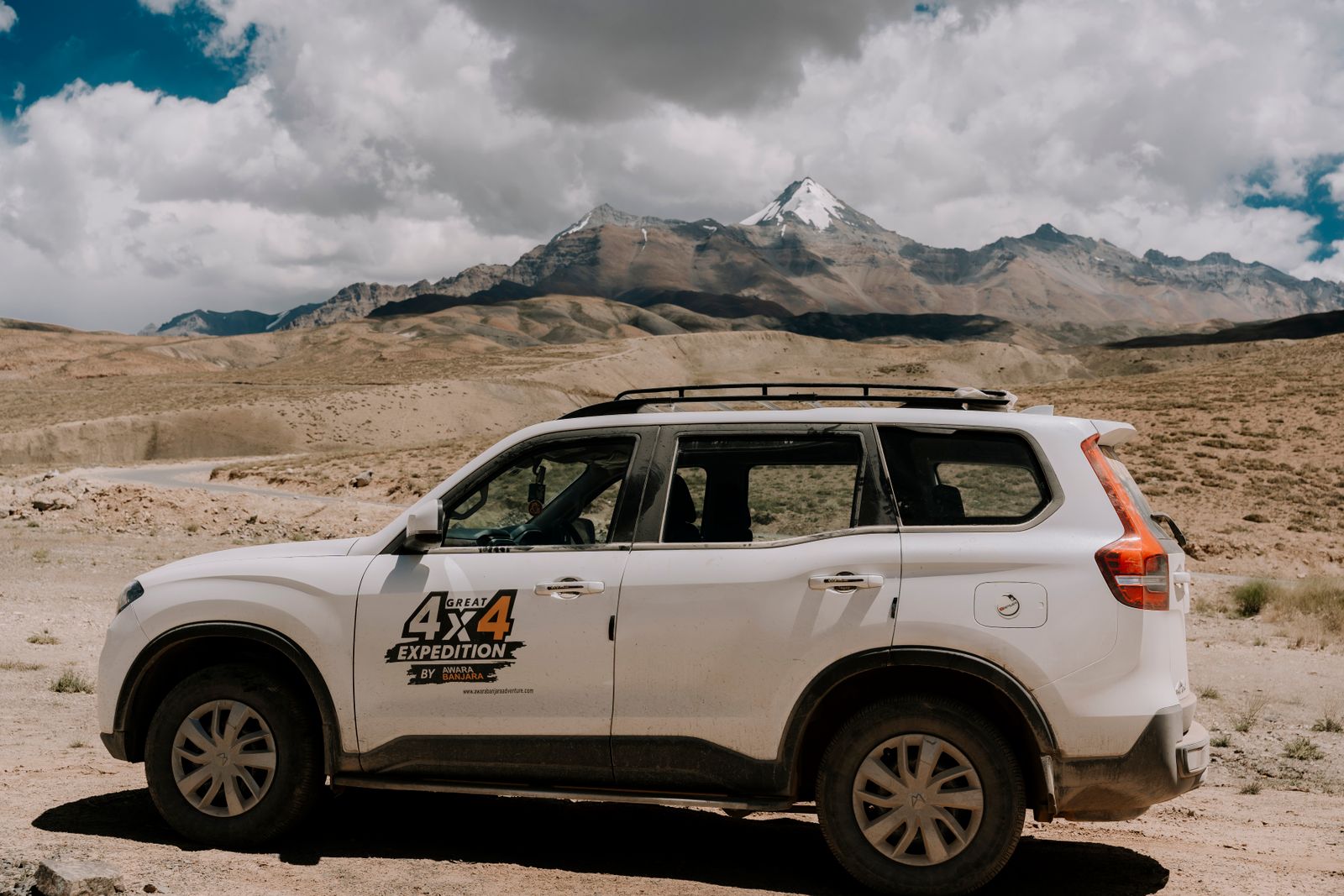
An off-road vehicle on a dirt track below mountains. Photo via Pexels.
The Consumer Product Safety Commission announced the recall on August 13, 2026. No injuries have been reported.
Which machines
The recall covers Yamazuki youth ATVs sold under the QEASET or HOVERHEART brand names, model XW-A19. They are 40cc gasoline machines, sold in blue, pink, red, green camouflage and an American flag motif.
“Yamazuki, Inc.” and the model number are printed on the identification plate on the front left side of the frame column.
They were sold online at Amazon.com and Walmart.com from September 2025 through April 2026, for between $500 and $580.
This is the company’s second recall this year. CPSC notes that Yamazuki model XW-A17 was recalled in June 2026.
Three defects, not one
The CPSC filing lists three distinct failures against the mandatory ATV standard.
The parking brakes fail to hold. On a machine parked on a slope with a child nearby, that is a straightforward hazard.
The speed limiting device is not set to the restricted speed required for children aged six and older. Youth ATV categories exist precisely because speed capability is matched to rider age, and a limiter set wrong turns a machine intended for a six-year-old into something faster than the category allows.
The machines are also missing required rear reflectors, which CPSC describes as reducing visibility to other vehicles and posing a deadly crash hazard.
The remedy
Consumers should stop using the ATVs immediately and contact Yamazuki for a free repair kit, shipping included. The kit contains replacement parking brake latches, rear safety reflectors, an owner’s manual storage bag and the tools to fit them.
It is a self-install repair rather than a dealer service, which is common for direct-to-consumer machines sold through online marketplaces — there is no dealer network behind them.
The wider issue with marketplace ATVs
Youth ATVs sold through online marketplaces occupy a genuinely different regulatory position from those sold through powersports dealers, and it is worth understanding before buying one.
The mandatory standard applies to the product regardless of where it is sold. What differs is the path by which problems surface. A dealer network provides service records, recall notification and a physical place to take a machine. A marketplace listing provides none of those, and the buyer is often the only person who will ever notice a fault.
That is why two recalls of two models from one seller inside three months is worth noting on its own, separately from either individual defect.
Checking before you buy or ride
The full notice, with product photographs and the identification plate location, is on the CPSC page for the Yamazuki youth ATV recall.
CPSC’s searchable database at cpsc.gov/Recalls covers all consumer products, and is worth a search on the brand name before buying any machine a child will ride — particularly a brand you have not heard of.
What the youth speed limiter is actually for
The requirement that a limiter be set to a restricted speed is not an arbitrary number, and it is the defect on this list with the most direct consequence.
Youth ATVs are categorized by the age of rider they are built for, and each category carries a maximum speed the machine must not exceed as delivered. The limiter exists because a child’s reaction time, upper-body strength and ability to shift weight to control a machine are all developing, and the speed at which an ATV becomes unmanageable for a small rider is well below the speed the engine can produce.
A limiter set wrong therefore does not produce a slightly faster machine. It produces a machine outside the category it was sold and labeled as, in the hands of a rider chosen on the assumption that the category was accurate.
Where a machine has an adjustable limiter, it is worth confirming its setting directly rather than trusting the box — including on machines that are not recalled.
Self-install repair kits, and doing them properly
A repair kit shipped to the owner puts the work on the person least equipped to verify it, which is the trade-off that comes with buying outside a dealer network.
Do the work before the machine is ridden again rather than promising yourself you will get to it, since there is no service appointment forcing the issue. Follow the supplied instructions rather than a general procedure, and where the kit addresses a brake, test the parking brake on a slope with the machine unloaded before a child is on it.
Keep the paperwork. A self-installed remedy leaves no dealer record, and if the machine is later sold or a further recall is issued, your own documentation is the only evidence the first one was completed.
This article was researched and drafted with the assistance of AI tools and reviewed, fact-checked and edited by Leonidas Clark before publication. Confirm current recall details with the CPSC before acting.