Lever guns are having another moment. That usually means two things at once: a lot of people buy them to shoot, and almost nobody treats the first few years of a new model like something worth saving.
That is how future collectibles get made. Not because a catalog page says “limited edition,” but because a factory experiment does not last, a strange chambering disappears, or a company changes direction and leaves a short chapter behind.
These are current, or recently current, lever-actions that have that kind of personality.
Henry Lever Action Supreme
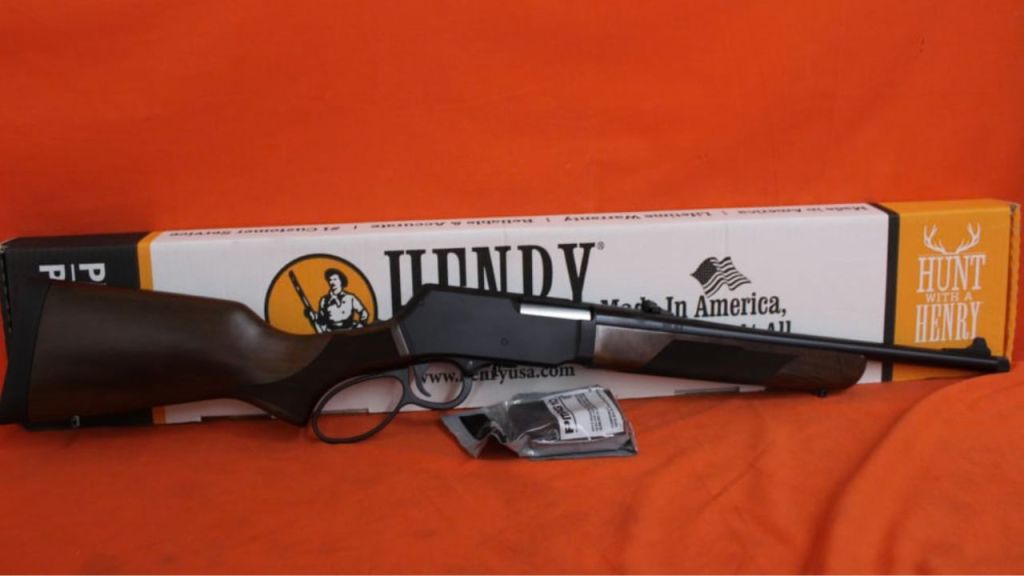
The Lever Action Supreme is not another dressed-up cowboy rifle. It is Henry trying to build a modern magazine-fed lever gun around AR-pattern magazines and current hunting cartridges.
First-run examples in .223/5.56 and .300 Blackout matter because they mark the start of a platform, not the middle of one. If Henry keeps expanding the line, early guns will be the ones that show what the idea looked like before the catalog filled in. If the concept stays niche, those same rifles become a brief experiment people later wish they had left unaltered.
Henry Lever Action Supreme .450 Bushmaster
The later .450 Bushmaster version is the one most likely to get overlooked right now. Buyers already talking about the Supreme tend to focus on the first two chamberings.
A straight-wall hunting cartridge in a detachable-magazine lever gun is a very specific answer to a very specific set of state laws and field uses. Combinations like that often last only as long as the market keeps asking for them. Clean early .450 guns could end up being the least common chapter in the Supreme story.
Henry HUSH Series
The HUSH rifles are Henry’s Special Products Division in public: carbon-wrapped barrels, lighter furniture, and a design built around a threaded muzzle.
They look like the present. That is exactly why they may look dated later. When a company creates a separate “innovation” line, the first production pattern is rarely the last. If the HUSH idea gets revised, renamed, or quietly dropped, original examples in .30-30 and .45-70 will be the easiest ones to point to and say, that was the first version.
Henry SPD Predator
The Predator is being sold as a precision-minded lever gun, which is still an unusual promise in this category.
Collectors do not always chase accuracy claims. They chase short production stories. A named Special Products rifle with a carbon barrel and a sub-MOA pitch is the kind of model that either becomes a regular Henry fixture or turns into a one-era experiment. Either way, early Predators will be easier to identify than the next round of lookalikes.
Marlin 1894 Trapper 10mm
A lever-action 1894 in 10mm Auto is one of those factory ideas that sounds obvious only after somebody actually builds it.
It sits at the intersection of pistol-caliber carbines, hunting rifles, and Ruger-era Marlin quality. That is a lot of identity for one gun. If Marlin decides the 10mm Trapper was a curiosity rather than a cornerstone, the first clean examples will look a lot more important than they do in a dealer rack full of .357 and .44 guns.
Marlin Dark Series 1895
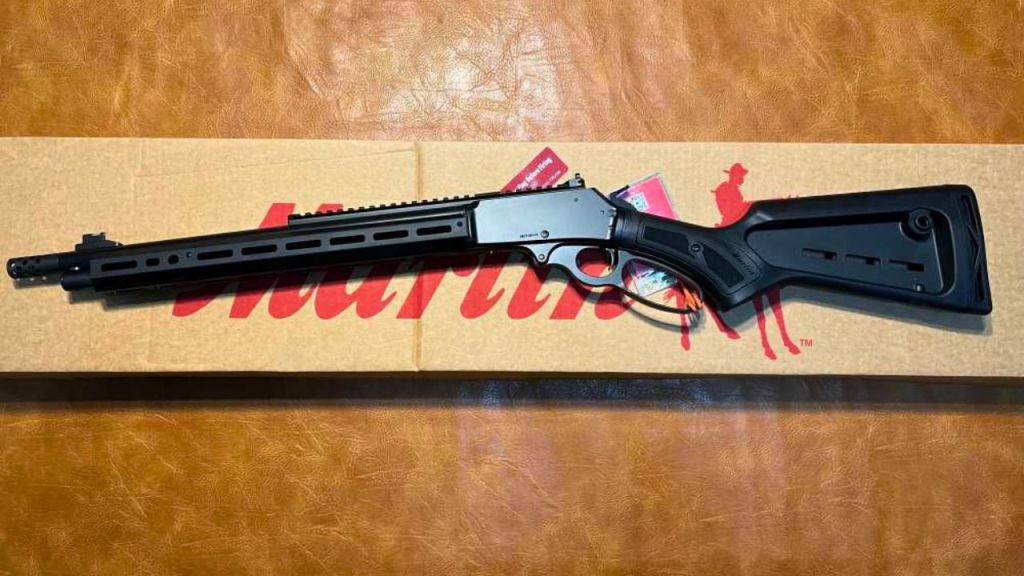
The Dark Series takes a traditional .45-70 hunting rifle and dresses it in the language of the last decade: synthetic furniture, accessory slots, threaded muzzle, darker finish.
Guns like this are easy to modify and easy to use hard. That is bad for future collectors and good for anyone who leaves one original. If the tactical-lever look fades, or if Marlin changes the furniture package, unmolested Dark Series 1895s from this run could become the reference examples.
Smith & Wesson Model 1854
Smith & Wesson’s return to lever guns still feels new. The 1854 is already spreading into multiple barrel lengths and finishes, which usually means the earliest configurations get forgotten first.
Large companies prune catalogs. When they do, the first couple of years of a revived product line often become the ones people want to document. A standard 1854 that still looks like the introductory gun — not a later trim level — is the example worth paying attention to.
Rossi R95 in .45-70
Rossi lever guns are priced like working tools, which is why so many of them will be scratched, scoped, and shortened in ways that erase originality.
The R95 in .45-70 is the version with the most “big American lever gun” presence. Affordable rifles in serious cartridges are some of the least likely guns to survive in clean factory form. If Rossi changes importers, finishes, or features, early R95s that still look untouched may be harder to find than the price tag suggests today.
Winchester Model 1873, current production
The 1873 is already historic. That can hide the collectible question that actually matters: which modern factory versions will people care about later?
Current carbines in .45 Colt are easy to dismiss as reproductions. They are also the guns most likely to be used in cowboy matches, hung on walls, or mixed with aftermarket parts. A correct, unaltered recent 1873 with its original configuration intact may become more interesting once Winchester reshuffles the replica catalog again.
Heritage Rough Rider .32 H&R Magnum
Heritage made its name on inexpensive rimfire single-actions. The steel-frame Rough Rider in .32 H&R Magnum is a different product wearing a familiar name.
Cheap guns get used. New centerfire versions get used even harder because they finally feel “serious.” If Heritage turns this into a huge family of finishes and barrel lengths, the first plain black 6.5-inch guns will be the ones that show where the centerfire Rough Rider started. If the idea stalls, those same guns become a short catalog footnote.
Chiappa S.A. 1873 Black Thunder
The Black Thunder keeps the 1873 silhouette and then adds the features traditionalists pretend they do not want: a rail, fiber-optic sights, and a .44 Magnum chambering aimed at hunting and range use.
Hybrid cowboy guns are easy to mock in the moment and easy to miss after they are gone. Chiappa changes finishes and model names often enough that a distinctive 2026-era Black Thunder could become one of those “I remember when they made that” revolvers-that-think-they-are-rifles — except this one is a rifle-shaped idea on a revolver pattern, and that alone gives it a look people will recognize later.
Savage Revel
Savage leaving the lever-gun business and then coming back with a rimfire is the kind of corporate story collectors love after the fact.
The Revel will be treated as a plinker. That means many will be borrowed, beaten, and customized. A clean early Revel, especially in a configuration Savage does not keep around, has a better chance of mattering than another polished commemorative that was born trying to be valuable.
The pattern is the same as it was with modern revolvers. The guns most likely to be interesting later are not always the engraved ones. They are the factory oddballs, the first versions of a new idea, and the inexpensive rifles nobody thought to leave alone.
 The 4x4 Life
Leave a comment